
Trash Run

Comment

Trash Run

It ain’t what you don’t know that gets you in trouble. It’s what you know for sure that just ain’t so.
— Mark Twain

     UNLIKE most businesses, the narrative of a trader is such that if you are early you are wrong. This shift in perception different from the "real world" makes our lives more complicated. Our instincts in any business venture is to be early and ahead of the crowd. Unfortunately as a day trader, especially one that trades decaying options, that philosophy will get you slaughtered. 

As traders (not investors) it is our job to be speculators. We must speculate where the price action is suggesting that a stock will go. With our speculation we must also be quick and decisive. Our actions during market hours are a result of our actions and studying while the market is closed. Recently many individuals have been getting abused by being stubborn and not assimilating with what the market is trying to tell them. Their instincts of how things "were" have literally driven them into destitution all-the-while creating massive opportunities to the long side. 

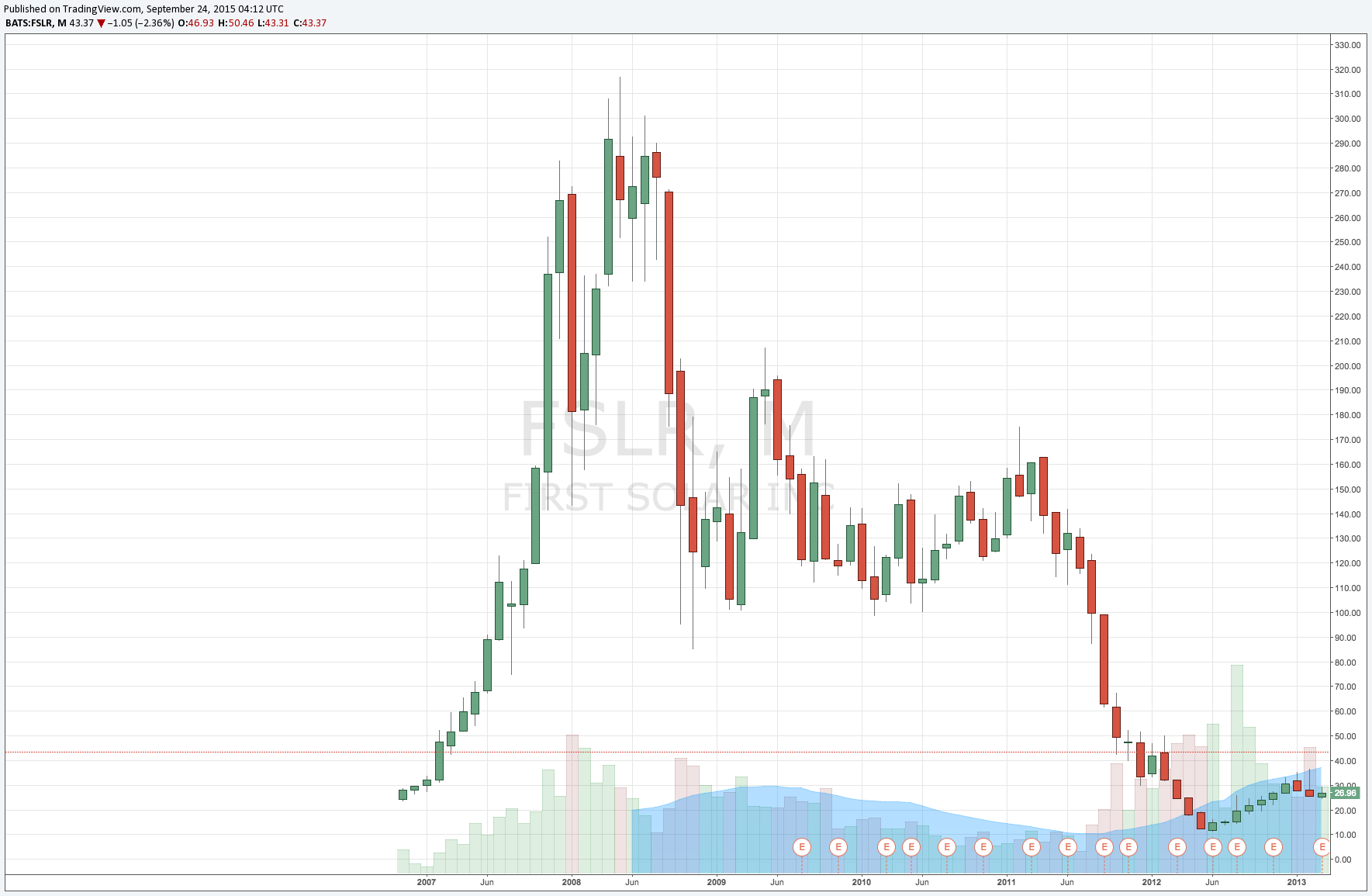
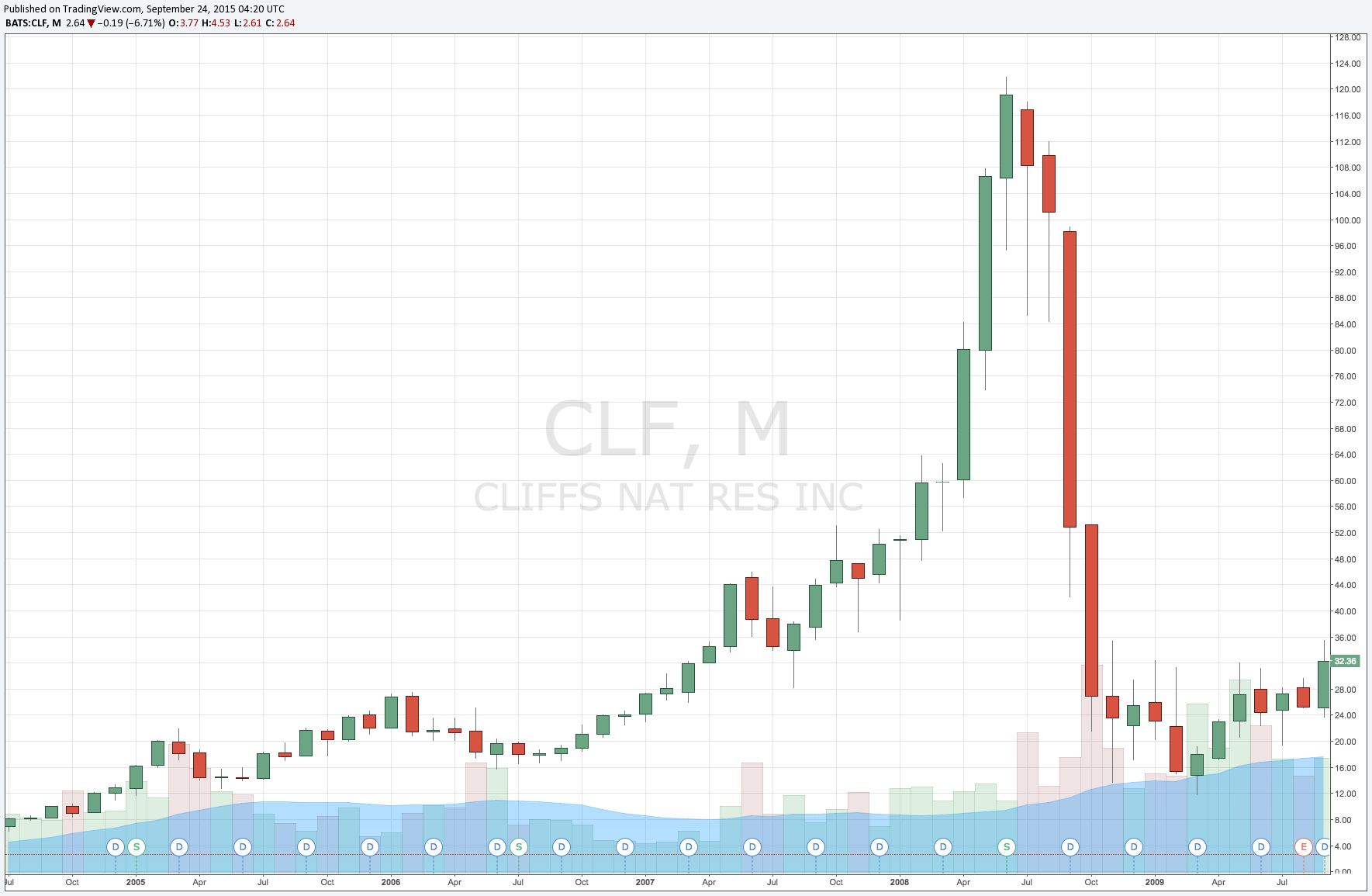
Specifically, a fundamental shift has occurred in the markets recently where the "Trash" of Wall St. (TWTR, BABA, WYNN, CAT, URI, AA, CLF etc etc) has caused massive upside sparks. Traders have either changed their narrative to fit these massive upside moves, or they crumbled with them. 

So what's happened? Have investors really stepped up to the plate and searched for "value"? Are we seeing some sort of rotation into the next leg of the bull market? 


WHAT THE FUCK IS GOING ON?


You may have heard the talking heads on TV tell you that a lot of the winning stocks that started their fall from grace were managers taking their profits off the table in case of disaster. Managers typically milk their positions as long as they can, that's why the winners continue to win and the losers continue to lose. So the inverse of taking some off the table occurs with the losers. I am of the camp that believes if you have a short position and it's been a real winner, as a manager you want to lock that profit in when you can, not when you have to. It's my belief that this situation coupled with a "floor" in the market created a perfect opportunity for a quick rally in some of the laggards in the market. 

This rally started when China went offline last week with names like WYNN and BABA. The IWM poked its head near its previous lows at 107 and held. With that hold a volatile swing to the upside began. The market rallied to a "Historical close" and we haven't really looked back since. Many names that have not caught a bid all year have gone on violent upticks. The likes of WYNN and other casino names rallying as much as 20% in one day. This uptick saved the markets from a cataclysmic death spiral and subsequent potential test of the 1820 level. This spark viciously catapulted the markets higher, and higher, and higher, and you guessed it -- higher. 

So is this a beta chase, the next leg higher, sector rotation, managers trying to match the market, or what? It could be a multitude of those events. Again, I am of the belief that the same names that made a killing for managers on the way down are the ones that need to be covered to free up cash for the next move. Time that with the recent perfect bounce on IWM and the rest of the market and you have a perfect storm for a pain gain higher, especially while China is offline. 


So what now?


People who are not familiar with Technical Analysis, the average Joe's, will cry "Market manipulation" till the end of time. If you are a proponent of TA however, you'll notice that a lot of these major moves did nothing more than push right back into downtrend resistance at the same moment that the overall market meets its "line in the sand" moment. We're currently pressed against resistance and have formed a trading range at the base of a bear flag. For every negative indicator there is a positive one. 

So whats the best approach? Well that all depends on your appetite for risk. If you're an action junkie then it's best to trade the wild swings intraday and remain in cash at the end of the day. For those of you who like to swing the best approach is probably find stocks within a trading range and trade lightly through that. And for those of you who don't know what you want, it's probably best to just wait. Wait till the madness chops around and for things to pick a direction,  then you get in. 

So with "Trash" turning into treasure as of late, let's take a look at some of the stocks that have been the beneficiaries of this sudden shift, and what the potential may be. 


TWTR


TWTR (dirty bird) found a floor at the 24 level and has been on quite a run since. The issue which has been range bound between 24.3 and 28.3 for almost two months found ample demand in the last two weeks powering through the previous resistance at 28.3. Currently, the stock is sitting just below the resistance at ~31/share. Above this 31/share price, the stock is poised to test the 32.61 gap down high from mid August. For me, I'm a fan of waiting for that 32.6 to be broken on strong volume before I would enter. 

TWTR found a floor at 24 and currently is pressed up against 31 resistance. The next level to try for is 32.6 above here. Personally, at this point I am waiting for 32.6 to break before entering. 


COP XOM XLE


Like all other oil stocks, XOM has taken been left for dead since November of last year. The issue found itself in all time high territory last summer and has been precipitously falling since. Like many stocks, XOM got ahead of its skies to the downside. With oil finding a "floor" near the 2009 and 2005 lows dip buyers found a place to start accumulating. Many of the stocks that eroded in the last year started to catch a serious bid as they'd accelerated their descend well below their downtrend. XOM is a perfect example of this as the issue caught a bid and has been on an uptick as of late. XOM caught a bid and found support near its 2009 resistance and 2011 support. The bounce has been pretty technical and the issue will find itself testing the downtrend it started over a year ago shortly. 

That theme has echoed throughout the space as XLE and COP offer similar chart patterns and trends. XLE and its components as a whole will soon test their downtrend line started in 2014 and will either be rejected sending the entire space lower again or will confirm this new uptrend is in fact for real. 

XLE Weekly downtrend still in tact from summer 2014

COP still in a downtrend from summer 2014. even after such a violent move to the upside. 

XOM Weekly downtrend started in summer 2014

XOM Monthly downtrend

XOM Downtrend and support


BABA


This is a name that was directly impacted by China and by nervous investors. With a new high set at 120 around this time last year, this name has been in liquidation mode ever since. Having said that, as you'll notice, the stock really started to separate from its downtrend in August of this year and recently found "support" around 58/share. after some brief consolidation at that level the issue has taken off dramatically. Whether its overall bias change, china bias change, value investing, or whatever the case may be, the stock has take that 58 support to heart and taken off from there. As you'll see, the stock still has room to go before retesting its downtrend line. 

BABA Weekly downtrend with room to the upside before it is tested again.

BABA Downtrend displayed clearly on the daily as well


WYNN


WYNN has been a name that has been hit hardest by China's fall from grace. With the stock eroding from 250/share to ~50/share in a little over a year and a half. At the 50 level the issue found "support" and it didn't take much news for it to start its explosion to the upside. You'll see the pattern to similar to the stocks above where the issue got ahead of itself to the downside leaving plenty of upside room all-the-while maintaining its downtrend. This is further validation that bear market rallies are the most powerful. 

WYNN Multiyear support with downtrend in tact.

WYNN Downtrend

Different perspective (monthly) 


IWM


IWM was the leader to the downside and it recently found a floor at 107 while on the verge of a bad jobs number and a potential catastrophic breakdown to the downside. This floor and hard reversal sparked a vicious rally to the upside where it currently sits at resistance. 

IWM Support

Comment

Someone's Yelling "FIRE!" in the Theater

Comment

Someone's Yelling "FIRE!" in the Theater

For those of you who are members you will know this familiar reference I am about to make. For those of you who are not, this may (or may not) change your perspective on how you see the markets. 

Let's imagine for a moment that every stock in the stock market is a dance club. There are some clubs that are really popular filled with celebrities and with lines out the door, some clubs that are staples where you know you should go to if things are dry that evening, and some clubs that used to be popular but now foster a repulsive response similar to the one you get when you think of getting chlamydia. 

Let's focus our attention on the "hot club" -- this place is bustling, filled with models, celebs, people with more money than God, and the wanna be's. Now it's safe to say that this club survives on the backs of the people with the real money, the "Fuck you" money. The athletes, the Wall Street tycoons, the Saudi Royalty etc. Sure your $200.62 bartab pays their bills too, but they don't rely on you. They don't need you. You are replaceable. You are the fodder. I understand that sounds bawdy but it is the truth. The sooner you understand your place on this totem pole, the sooner you can advance up it. Sure sometimes you can strike gold and sit at the high roller table but most times you are just along for the ride. 


  What the fuck does any of this have to do with the markets? 


If you apply this analogy to the stock market you can classify each stock you watch as falling into one of these categories. For the remainder of this post we'll focus primarily on the "Hot Clubs" (hot stocks).

Using this example and visual from above, the hot stocks that trade on the NYSE are the hot clubs. Your high beta stocks, the NFLX, AMZN, CELG, REGN, TSLA, FB, BLUE, MBLY etc of the world. The hotter the club, the longer the line and the more people are willing to pay to get in. 

Once they're in they have a double edged sword of expectations. They are using their high entry fee as a means to justify how "Epic" it is in there (How great a company's potential is) and they're simultaneously pounding their fist on the table expecting their astronomical expectations to be met given the prices they're paying (high expectations/earnings expectations). 

An interesting thing happens with the life of any club. The longer the club is open the more people that end up walking through its doors. The big fish come and go early and the little fish slowly drip in (much) later as it becomes more easily accessible. At some point, this establishment slowly starts losing its luster but the average joe doesn't see that yet. They are just now getting their fill while the big guys have been having outlandish nights there for months. The club starts holding events to up the interest and keep the appeal. They hold the line at the door to peak interest etc etc. 

This is the part where you hopefully start to see that human psychology is human psychology. It doesn't matter if you are talking about the stock market, a club, a football team, or a f'ng cronut. The higher the perception of value behind something the more you're willing to pay for it. The more you're willing to pay, the higher the expectation. That's marketing/branding 101. And nothing is more powerful than the scarcity effect. So with the example above, the hot stocks give off the perception that they are going to continue to grow exponentially. As their share price continues to go higher and higher and shares become more and more scarce people want to get in more and more willing to slap the bid at almost any price. They begin to justify their unwarranted expectations.

As the club gets more and more packed, the other ones like it/near it start to fill up as well. The next "hot" club opens up by the same owners. People line the streets, pay any price at the door, and facebook and instagram about it. It's Gatsby all over again. 

I want you to envision the scene of a packed club picture how crowded it is and how difficult it is to move in there. Now I want you to imagine something terrible -- a small fire. First there is the scent of smoke and some people will exit because they don't like the scent. Shortly thereafter some people start to see actual small flames and start to head for the exit. As it gets bigger more and more people become aware until the DJ's music is abruptly stopped and everyone starts running for the exits at the same time. 

Though that scene is a horrible one to envision, it paints a visual for you. Now hypothetically speaking, let's say there was no large fire and that it was a small kitchen fire. The fire department shows up, people find it out it wasn't a big deal and it was a one time thing. A few days later it is business as usual, like the fire never even happened. 

Now I want you to imagine that it is a few weeks later and this time another similar situation happens. Same thing, kitchen fire, no big deal, gets put out right away and people return. A few days later, the same thing happens, only this time it's serious. By now, the people who have been through the two previous fires will think "Oh, no big deal. I will take my time here." The DJ music won't cut off right away. The bartenders won't stop serving drinks as quickly. This time however, the fire is for real. It grows and spreads quickly and by the time people realize it's the real deal they panic and head for the exits. In this last scenario, the exits are not enough. People will literally try to get out by any means necessary. Some will survive and some will not. 

This scenario I just painted is similar to when a trend line is broken briefly but reclaimed in high BETA stocks. The first time it happens some people will panic, some will stay put, and some will reduce their size. The next couple of times it happens people will grow more accustomed to a bounce until one of those days, it doesn't bounce and panic ensues. Once that day comes, people look for the exits. When they can't get to the exits, they break the walls and the windows to get out. That is why it is fundamentally important to respect your stops. You can always re-assess once outside the burning building. 


Comment

Life "Support" - Part 2 (Bubblicious)

Life "Support" - Part 2 (Bubblicious)

“Men who can both be right and sit tight are uncommon.”
— Jesse Livermore

In the previous post we discussed the first known bubble (Tulipomania). In this post we will assess other more tangible examples that should help you forget the notion of "Now or never" with stocks you want to purchase. 


BUBBLICIOUS


We've all at one point or another tried to blow the biggest bubble we can. We dance that fine line of trying to get it as big as we can without it snapping gum back in our face. The analogy of a bubble is quote symbolic, and in turn, quite perfect. When you're first blowing a bubble it takes quite a bit more effort than it does to actually pop it at the end. That said, there is also an inflection point where it doesn't take much effort to actually make the bubble get bigger. Physics takes over and the volume inside the bubble is optimal for growing it. That is of course until it's not. 

If you recall from the previous installment we talked about the first known bubble, Tulip mania (or Tulipomania). Since it's hard to grasp relative to today's terms let's use stocks and indexes to illustrate what a bubble looks like and what happens when the gum snaps. 


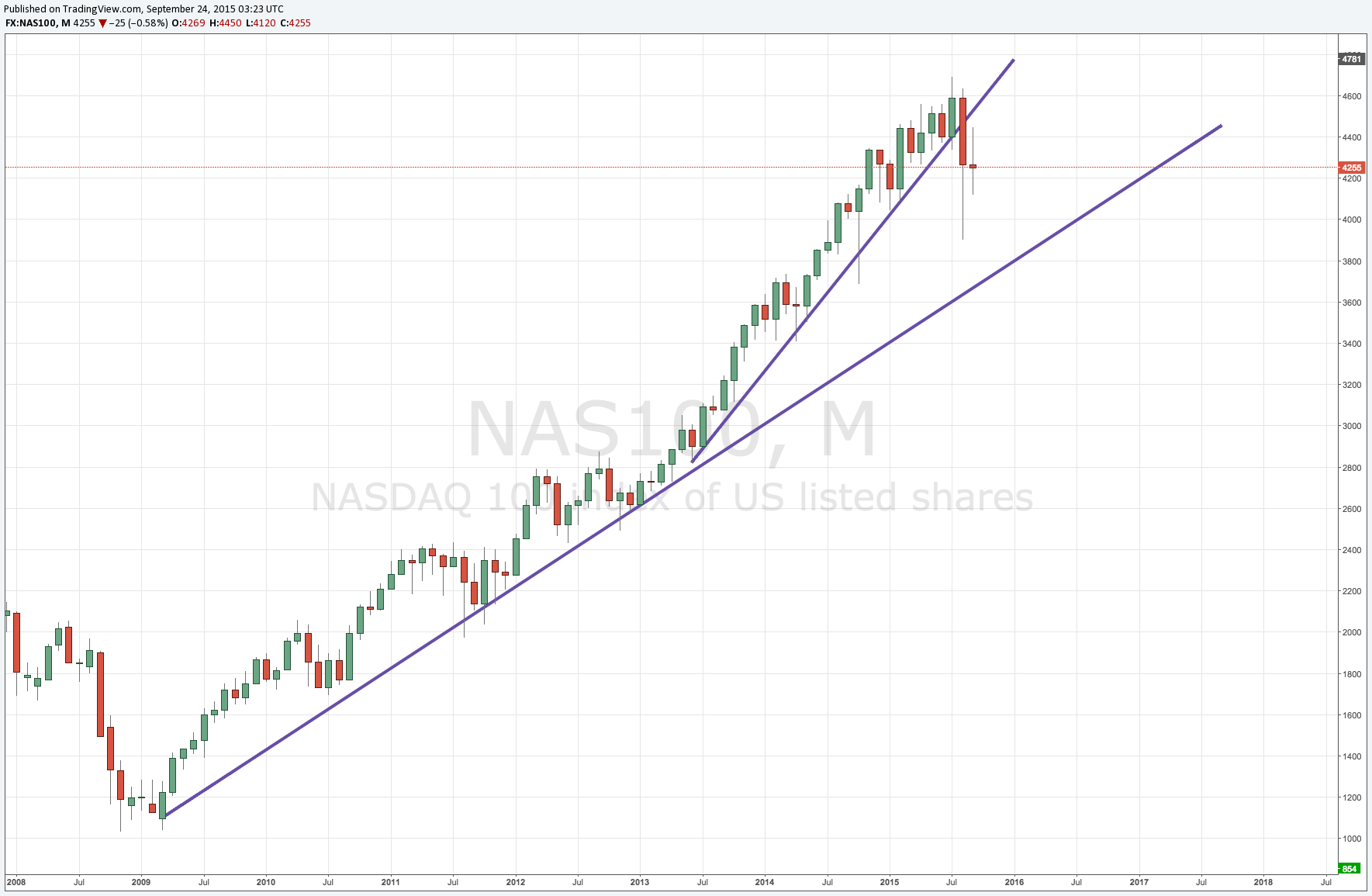
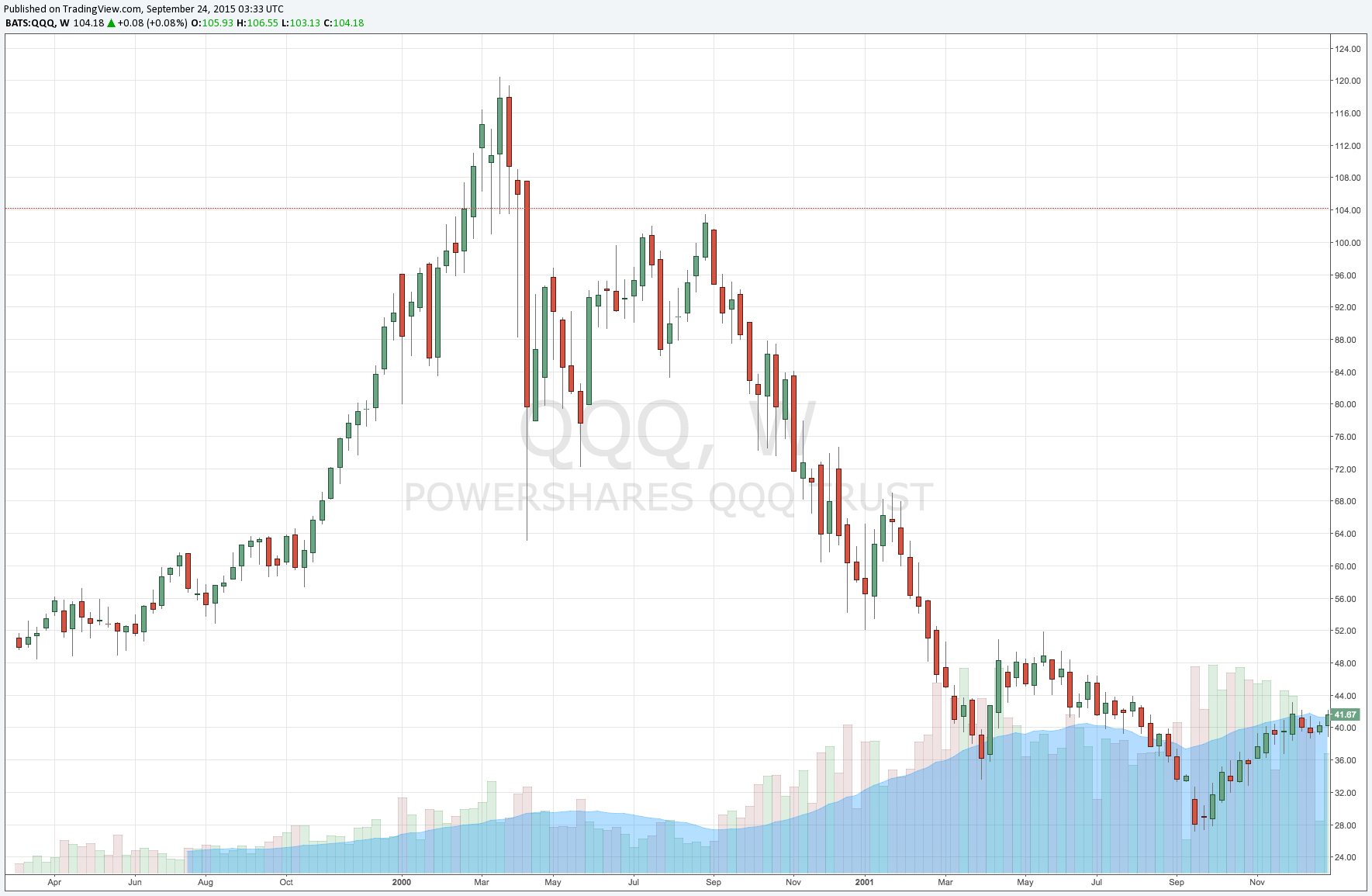
.COM (1995 - 2001) 


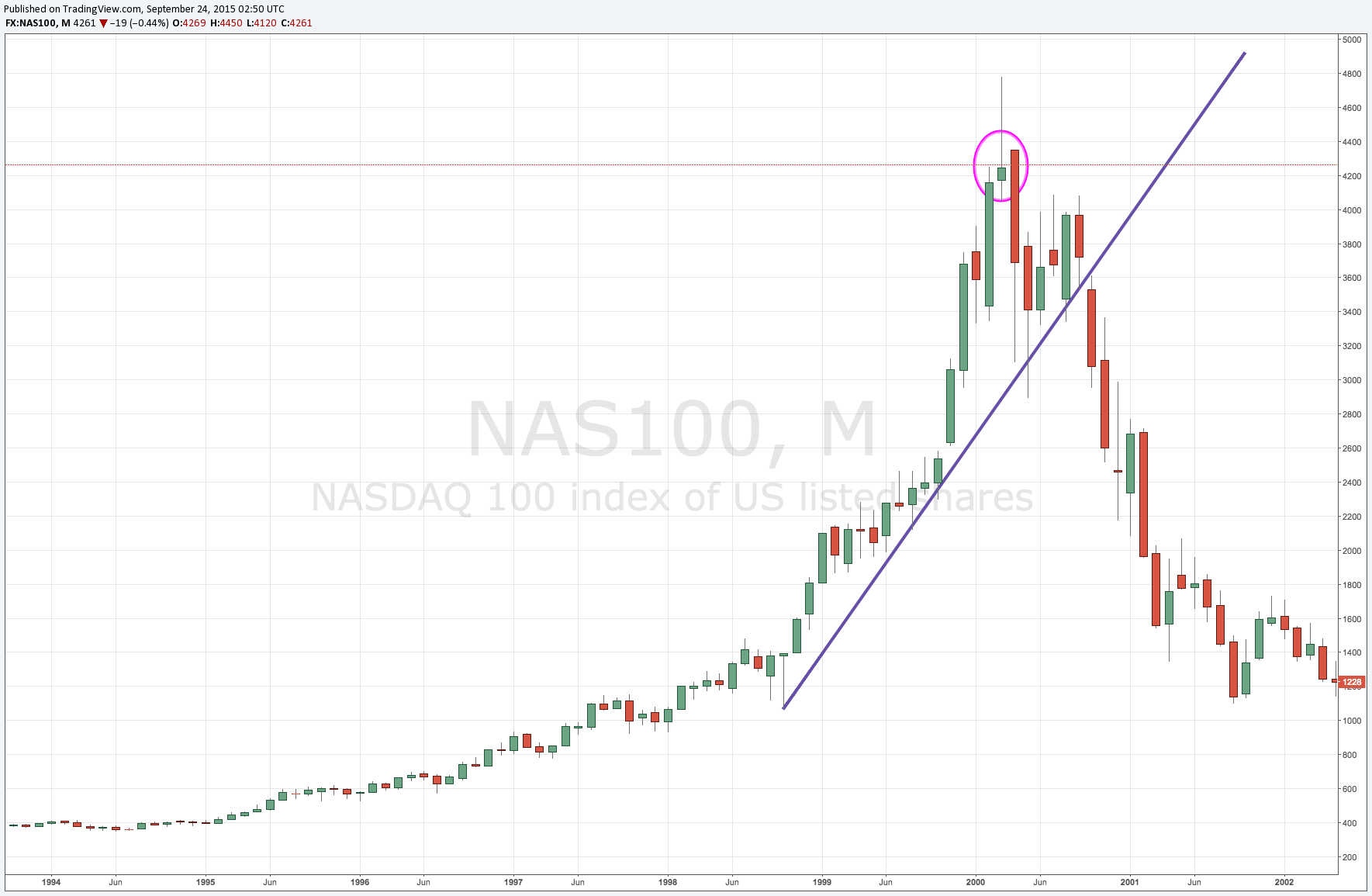
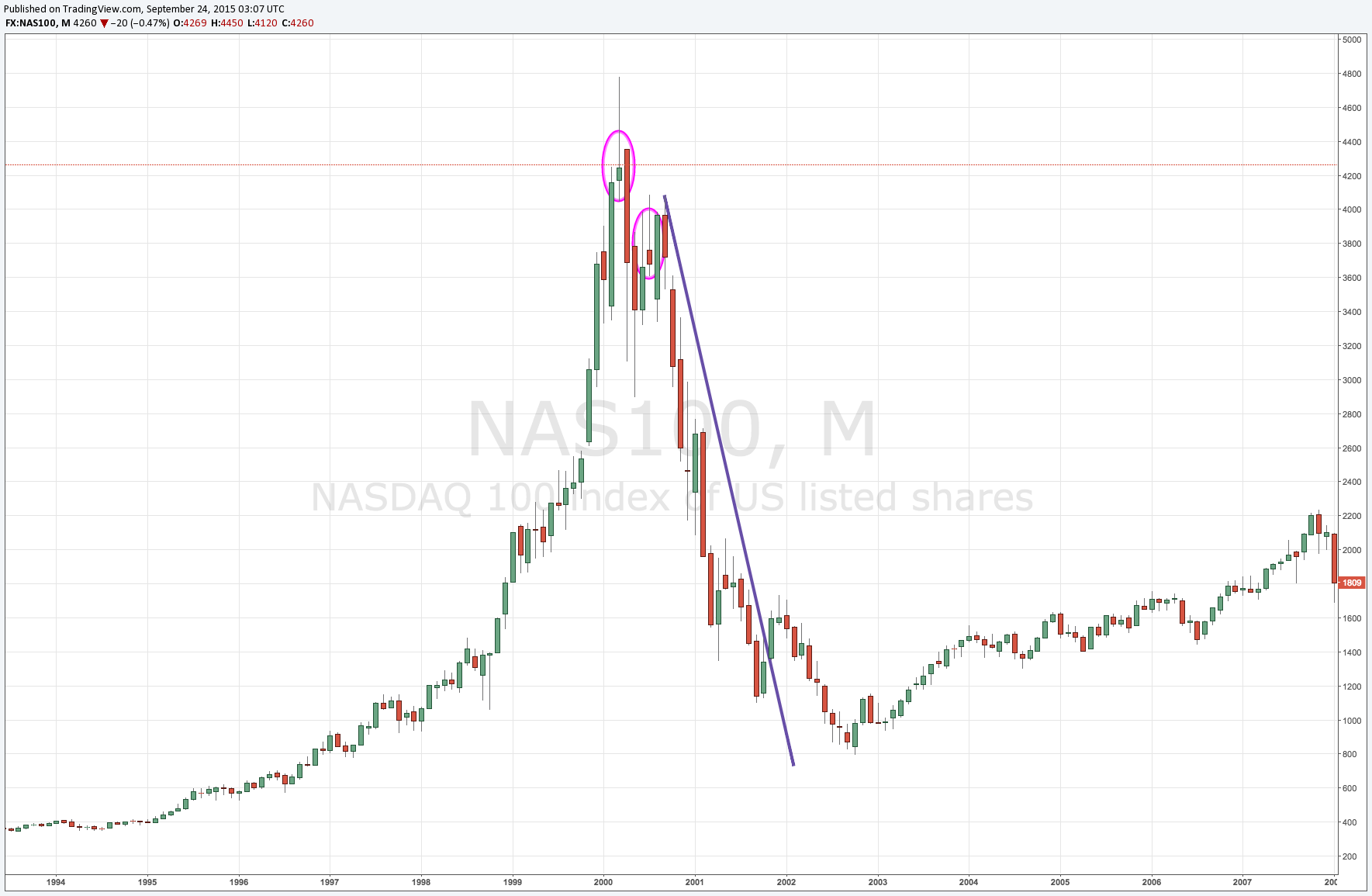
Sure many of you have heard of the .com boom/bust but how many of you have actually taken the time to investigate just how big it really was? Fear not, we'll take a look at some of what went down during that era. 

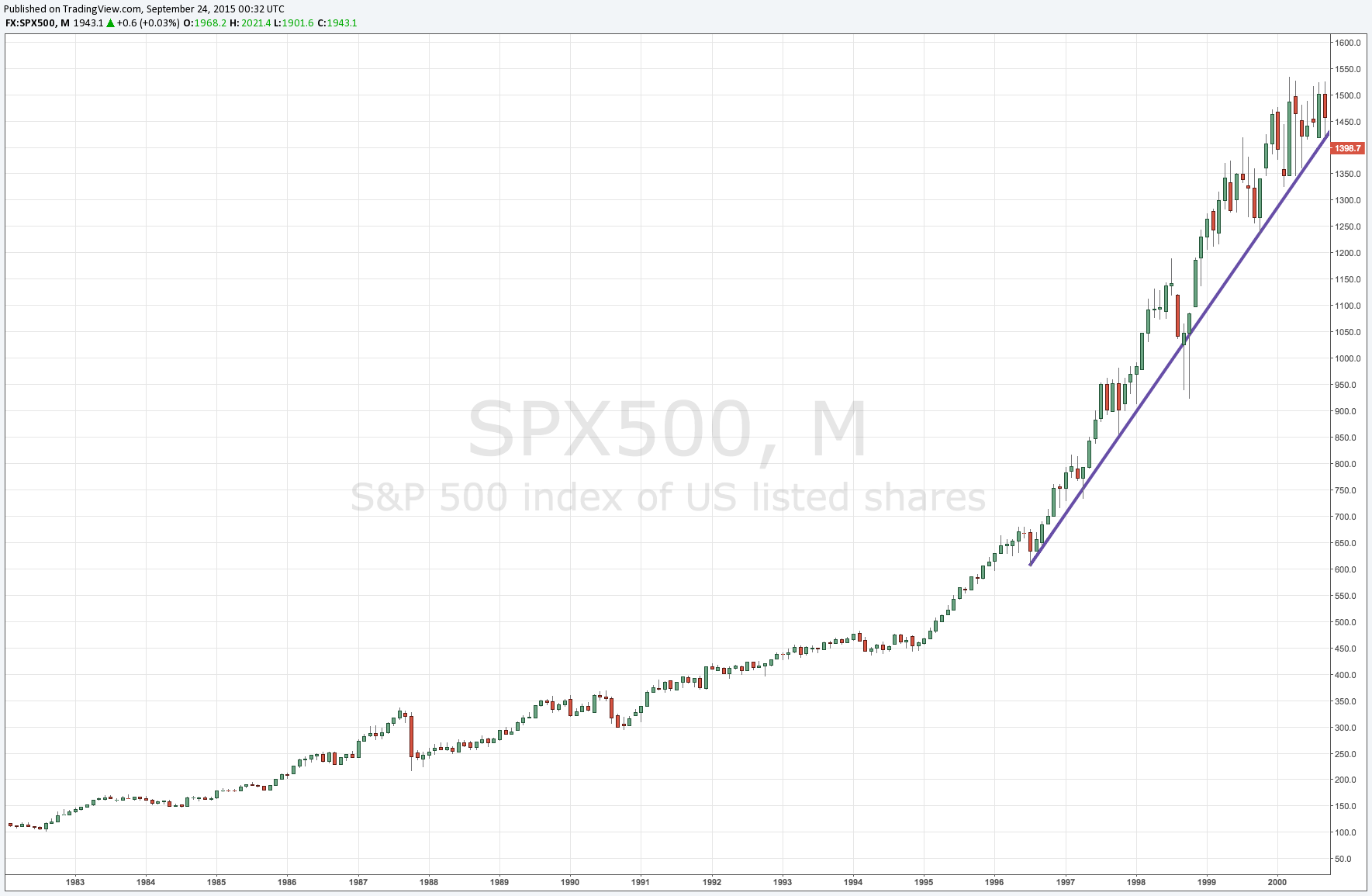
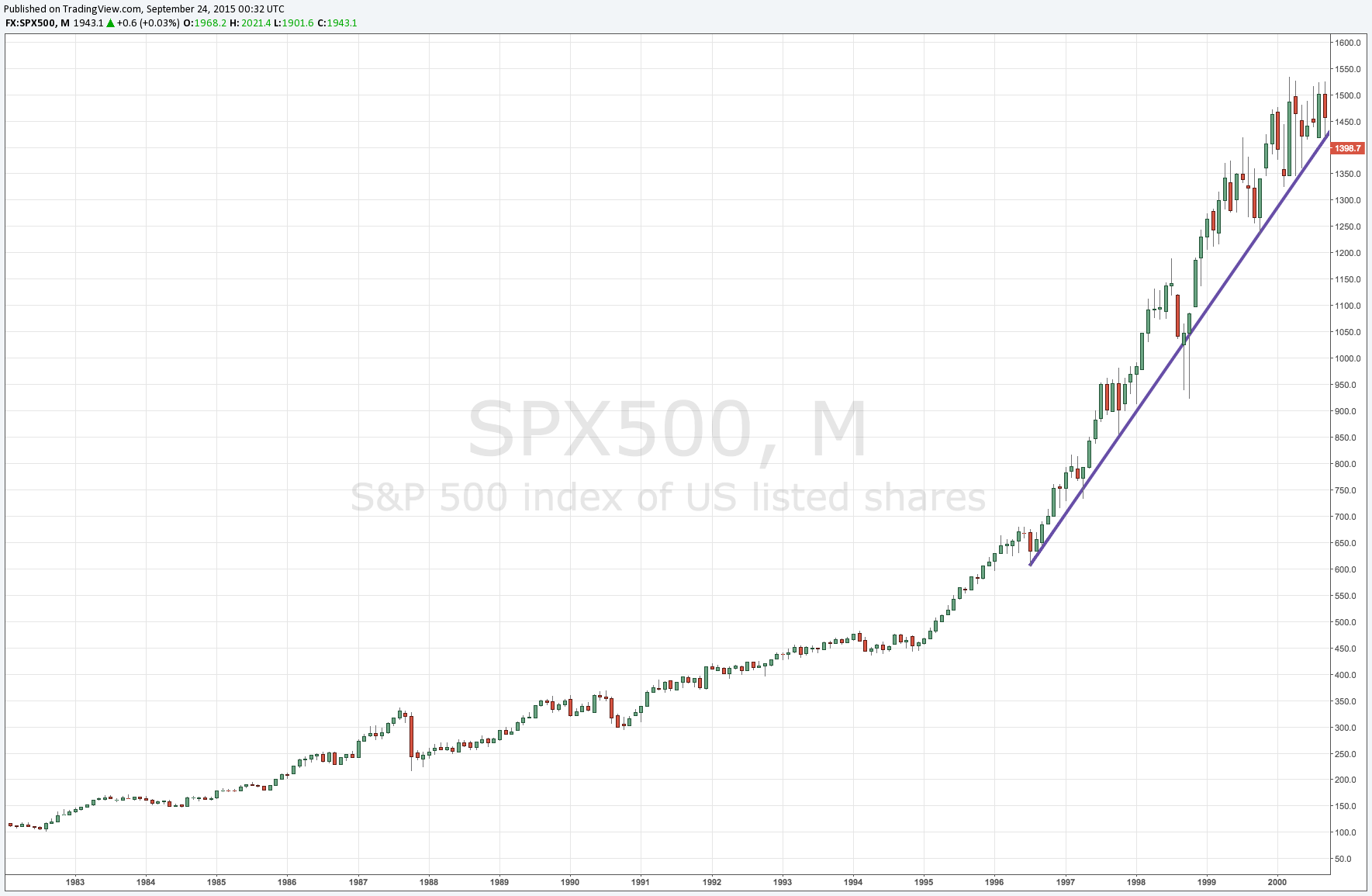
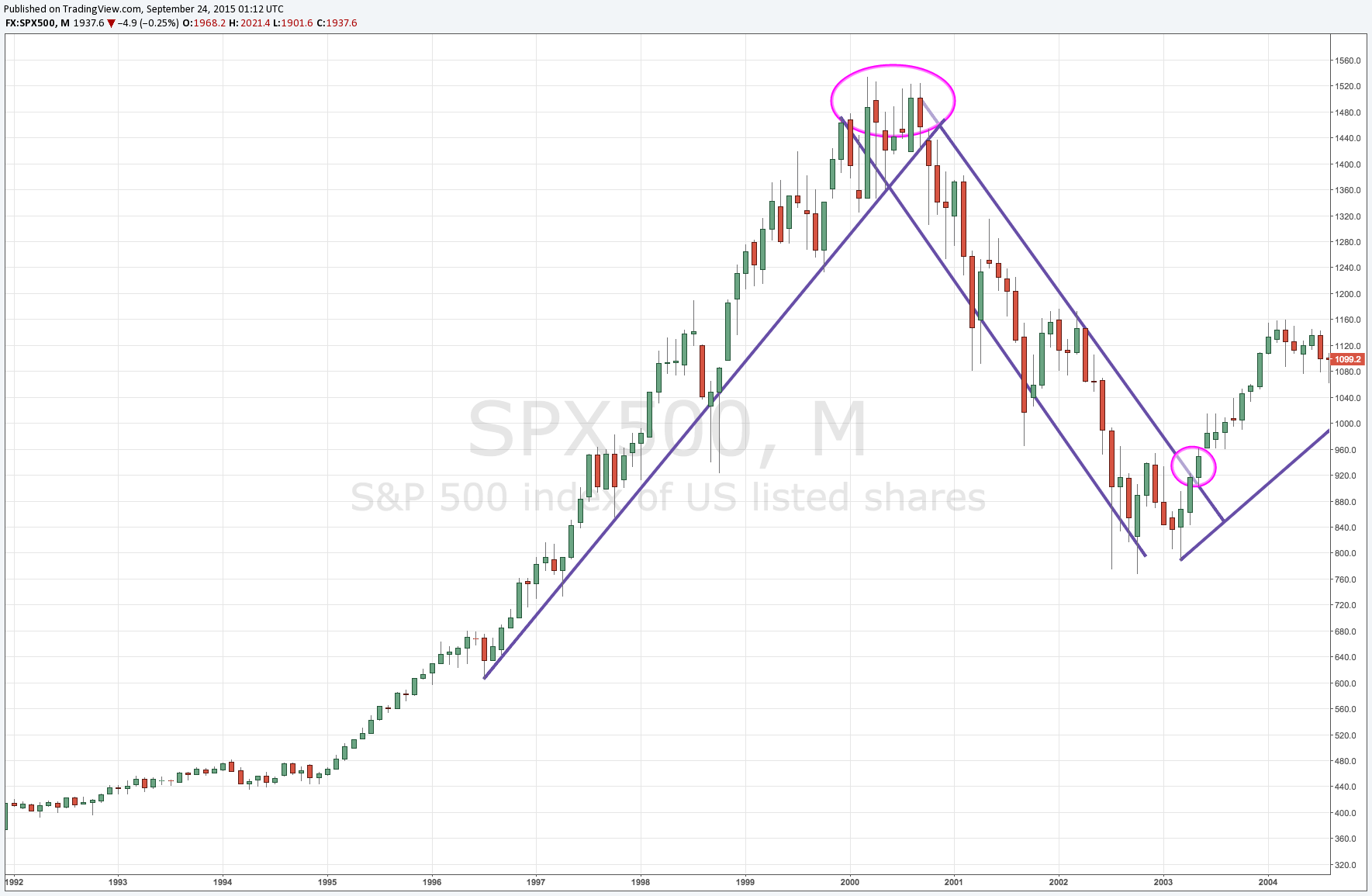
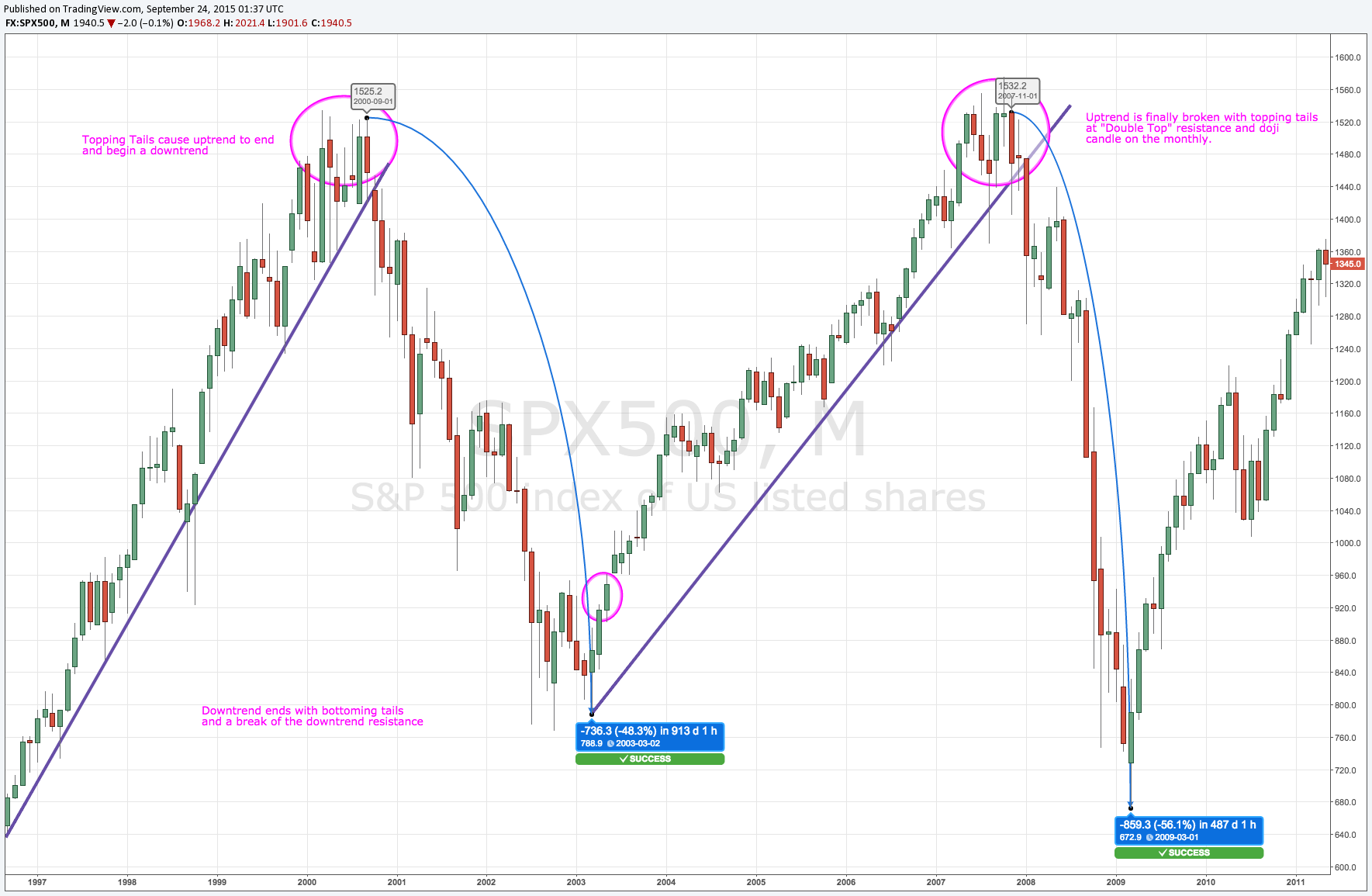
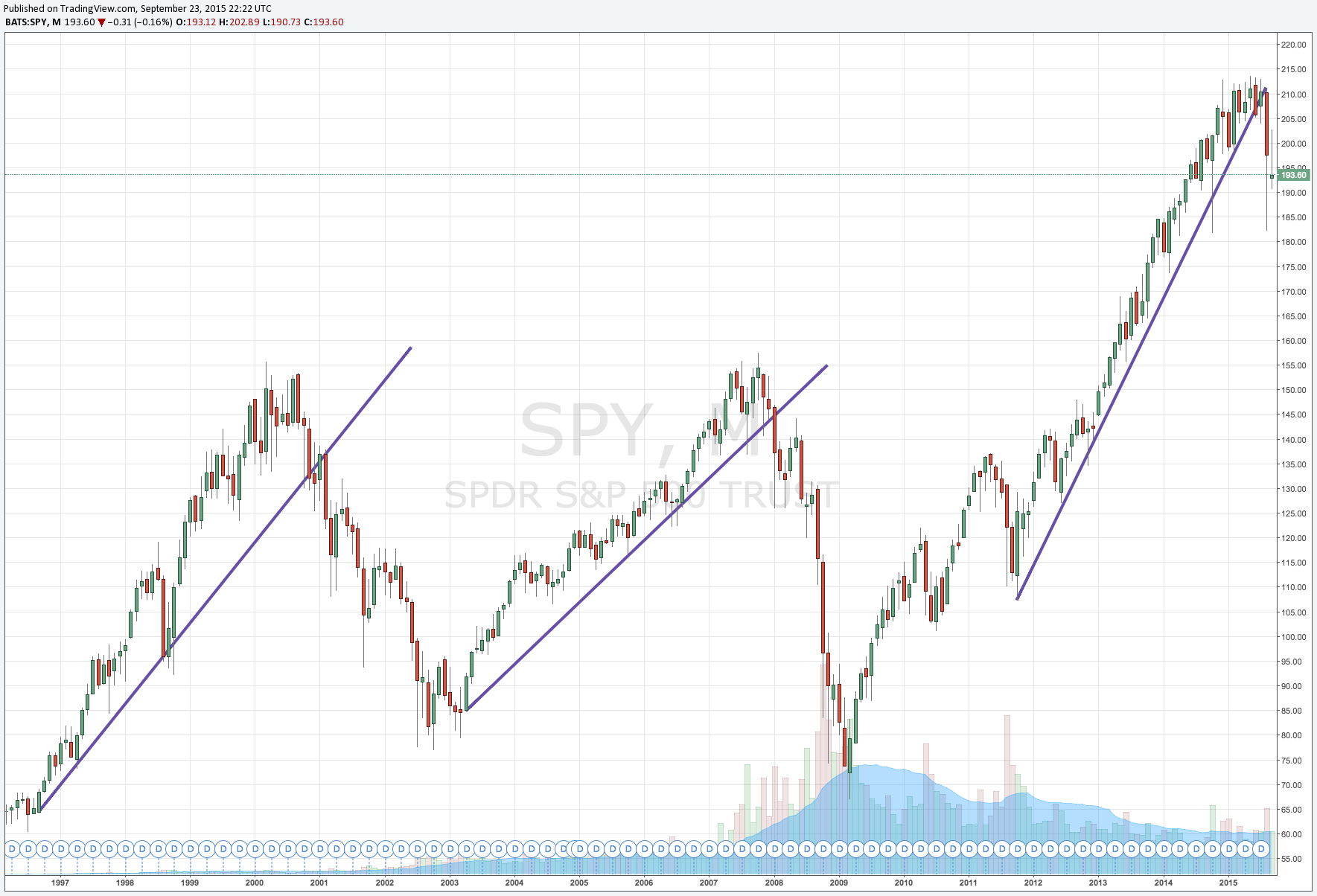
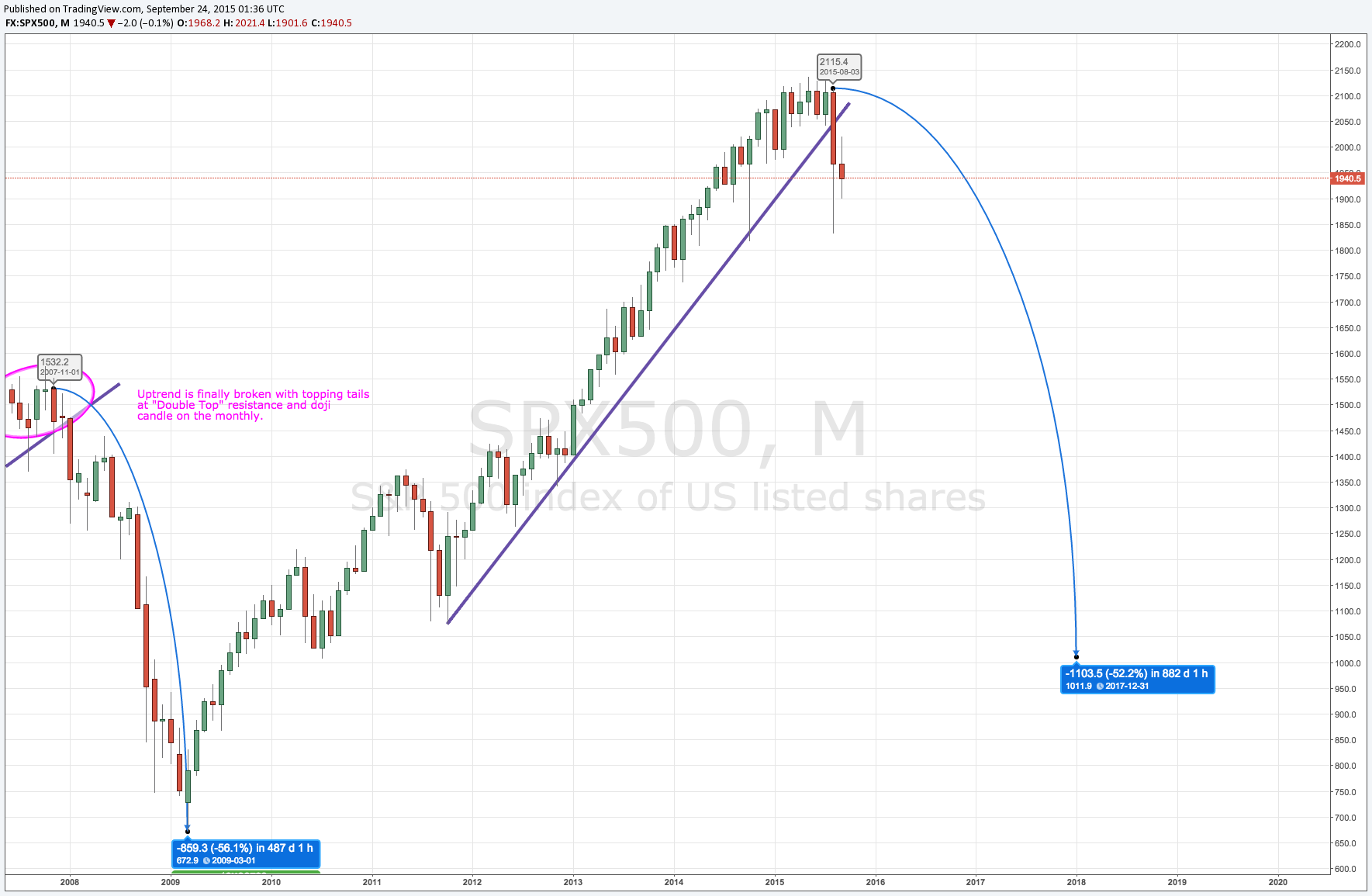
The point to take away from the above is not that there is any prediction about a foredooming situation in the markets. The point is that when markets start to break the accelerant behavior of the market selloff is vastly greater than the rising behavior in an uptrend.

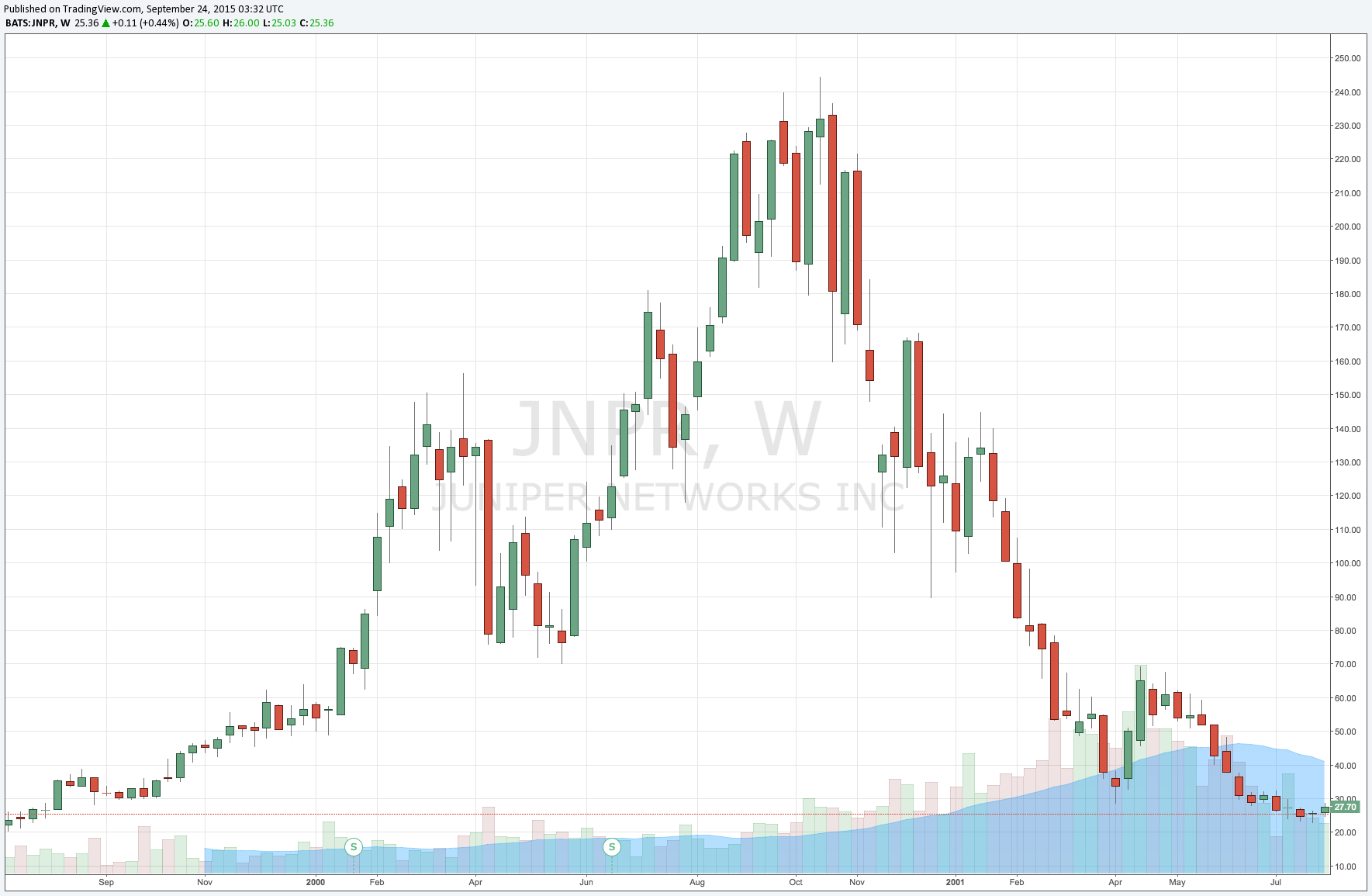
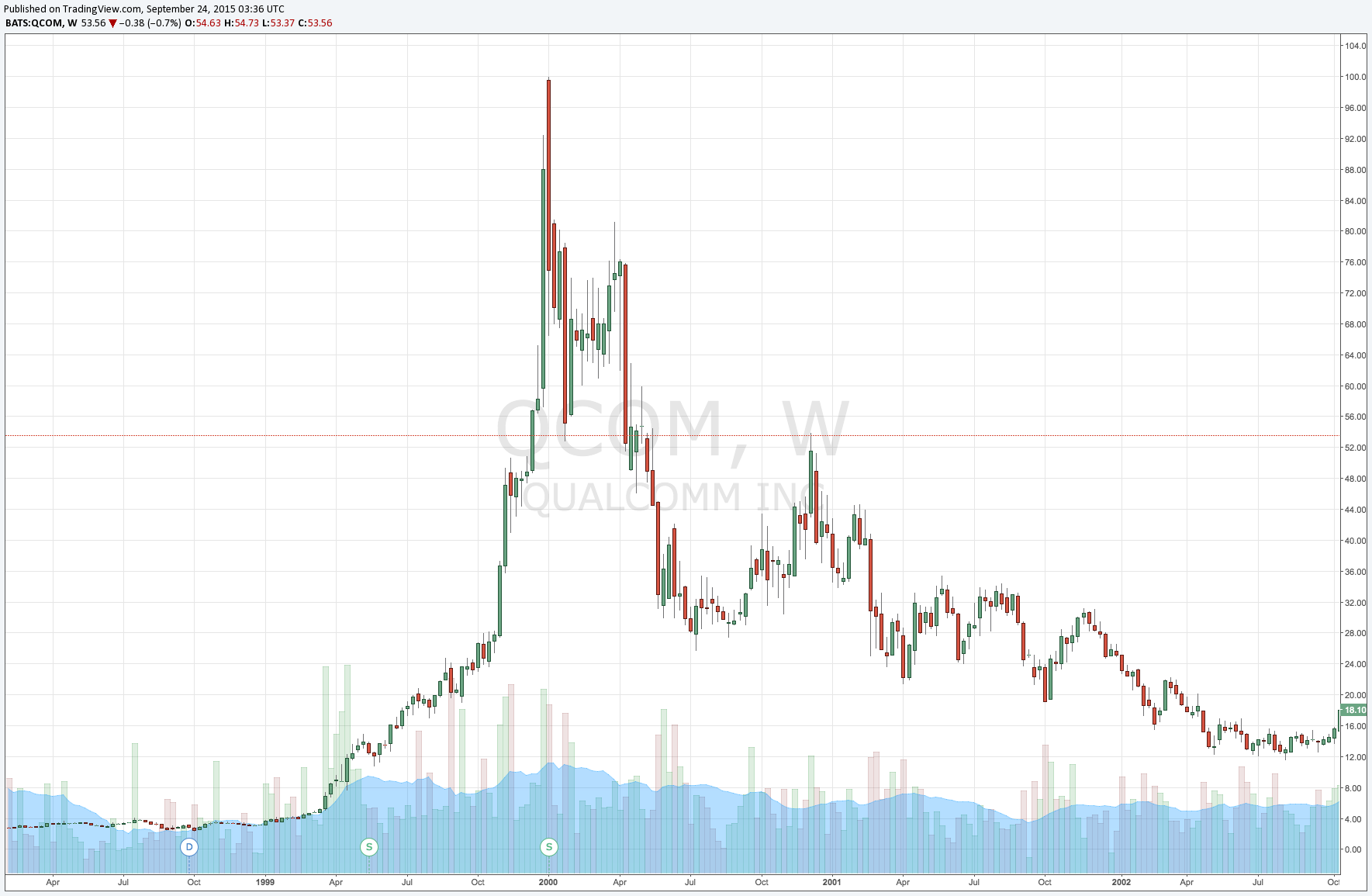
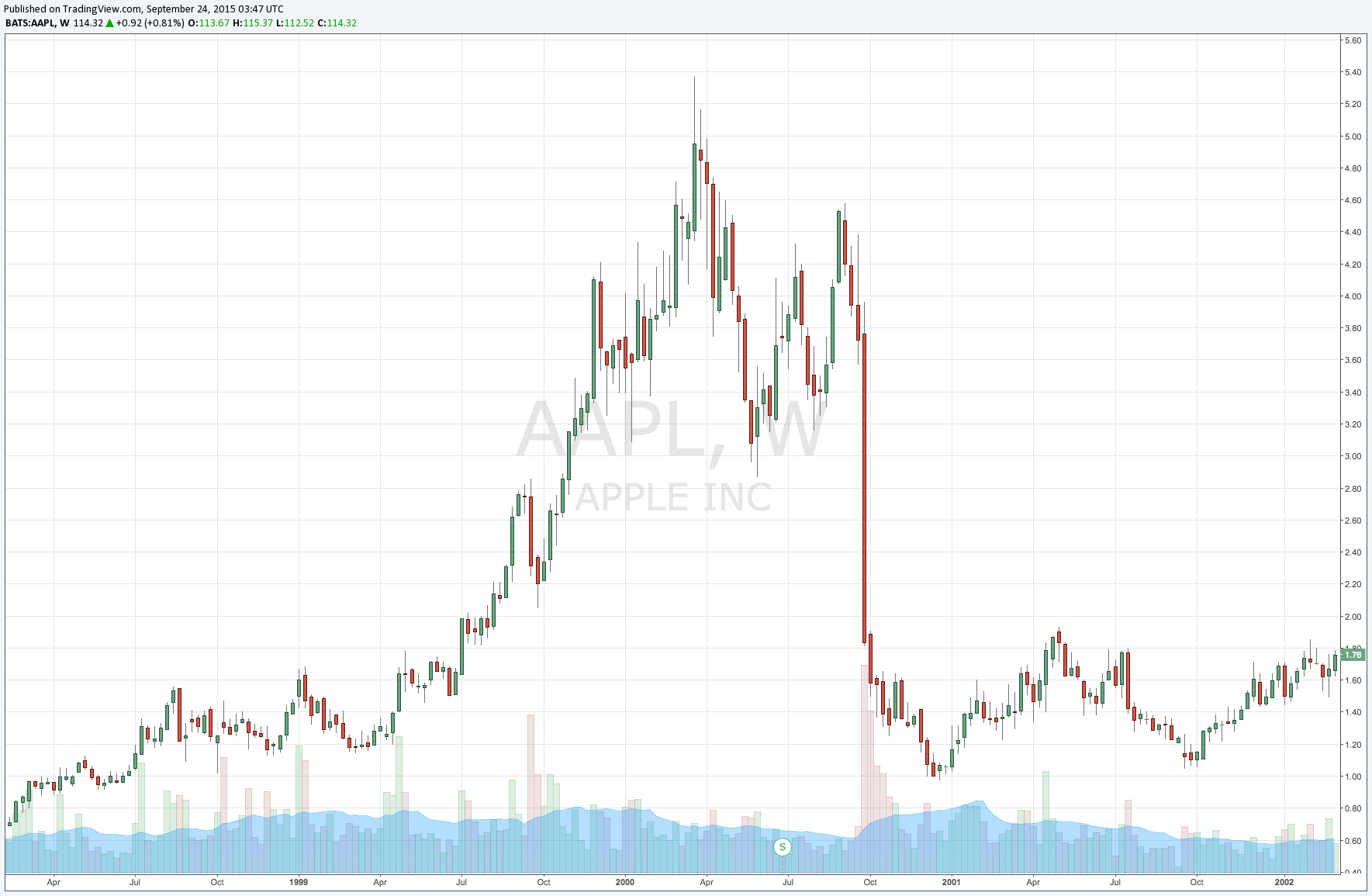
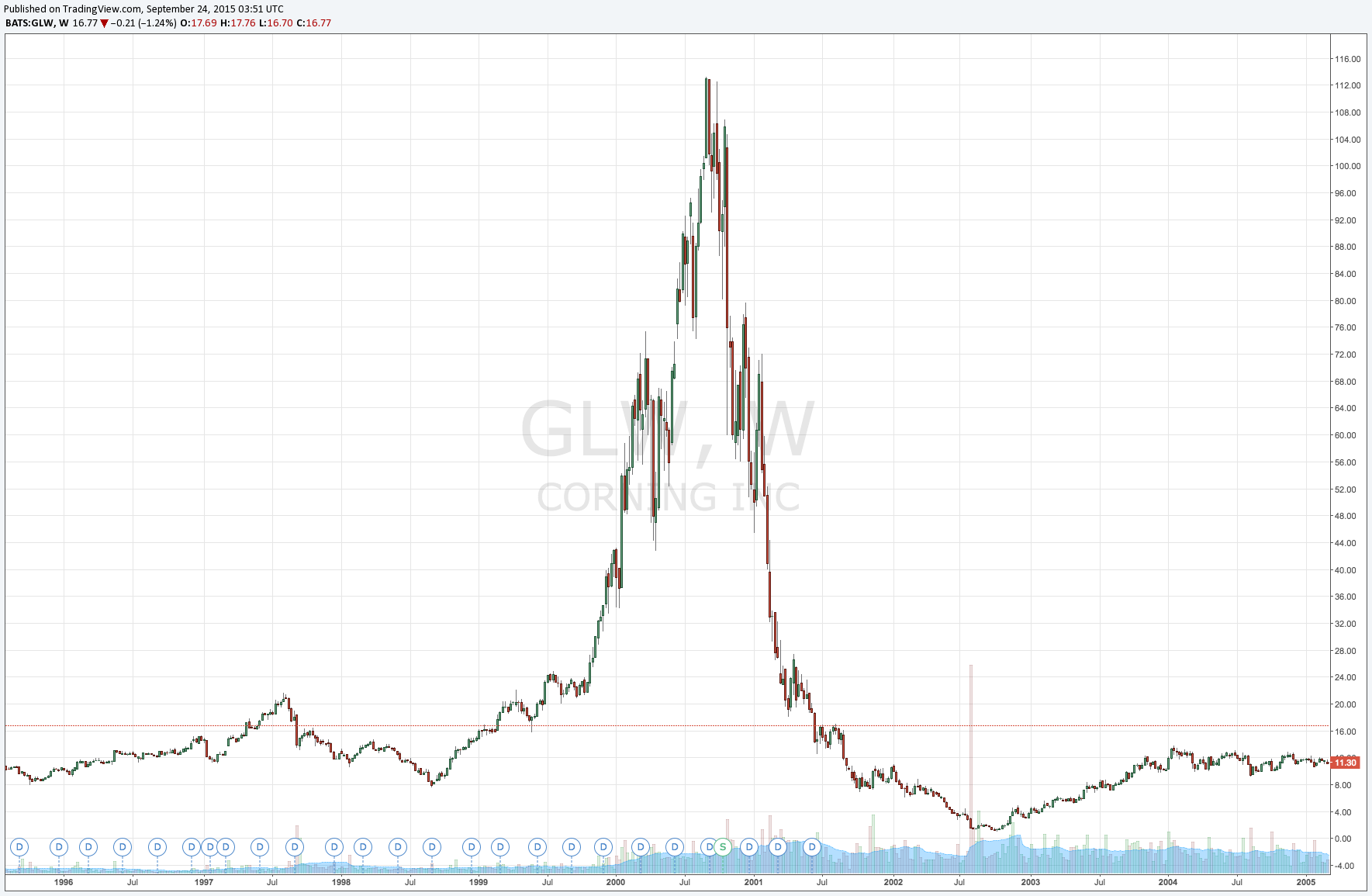
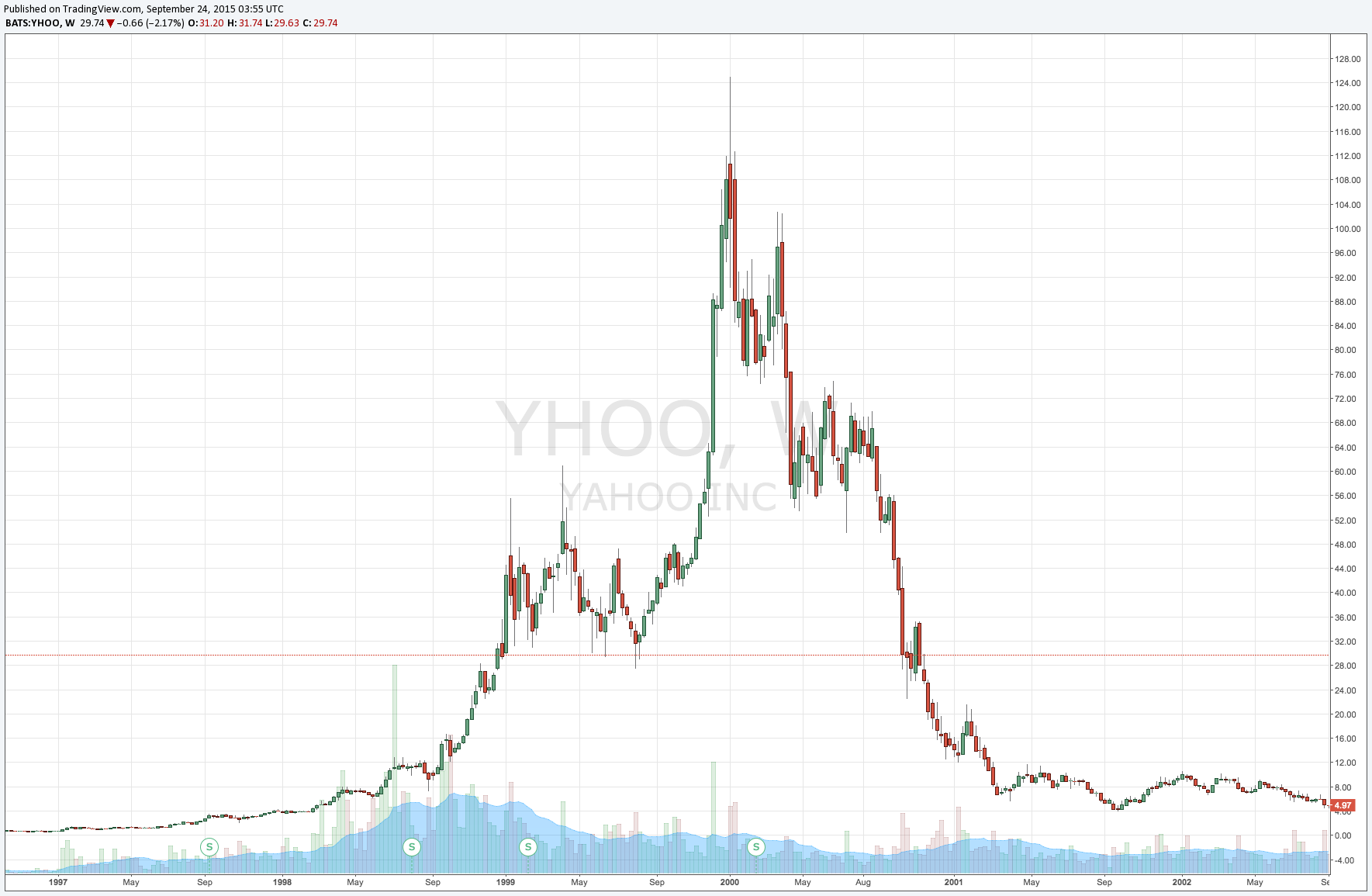
Let's take a look at some individual names from the .com bubble. Most of these companies still exist today. 

Some of these companies eventually recovered (AMZN AAPL) but most do not and never do. 


HOUSING SUB PRIME


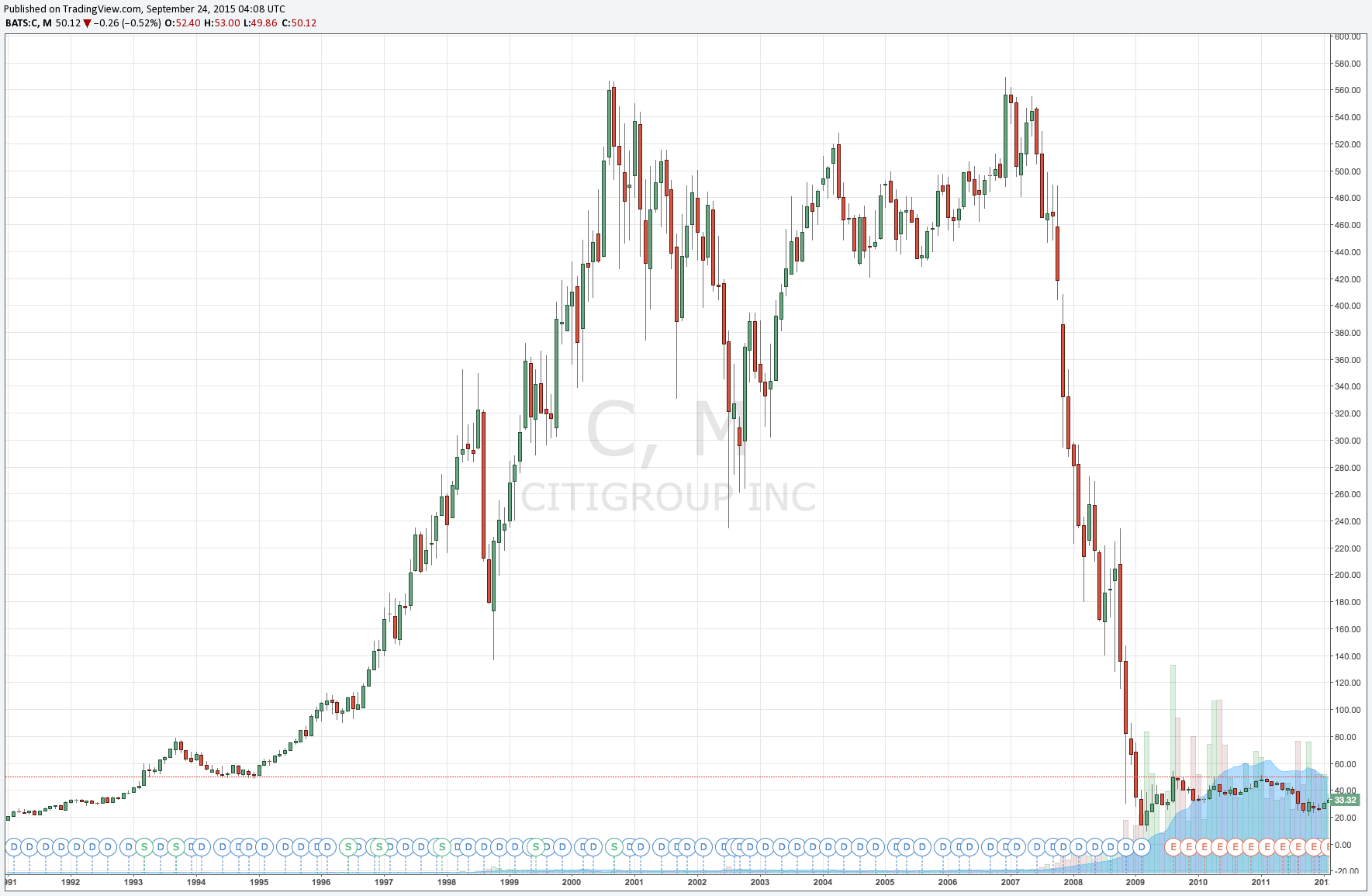
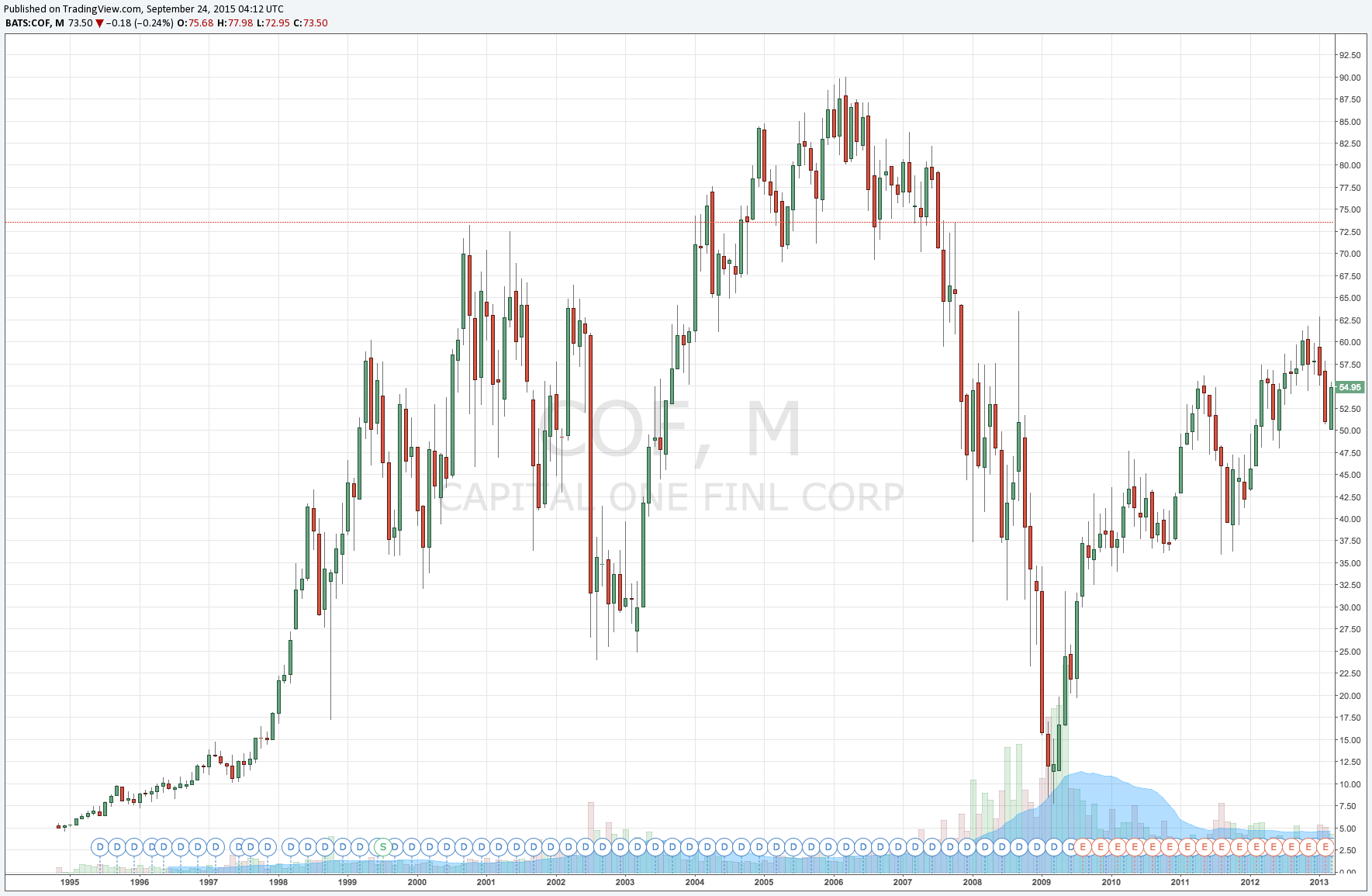
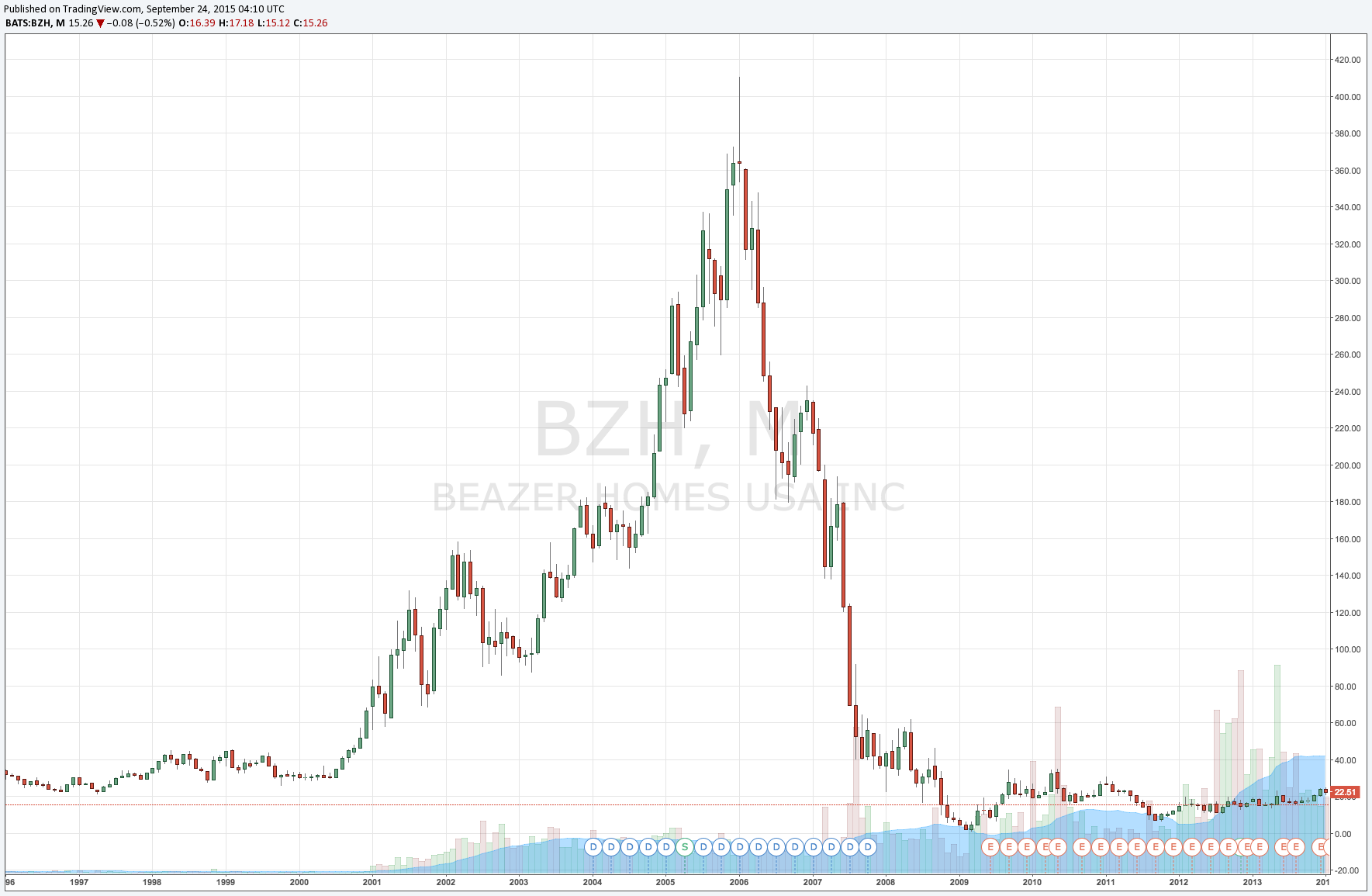
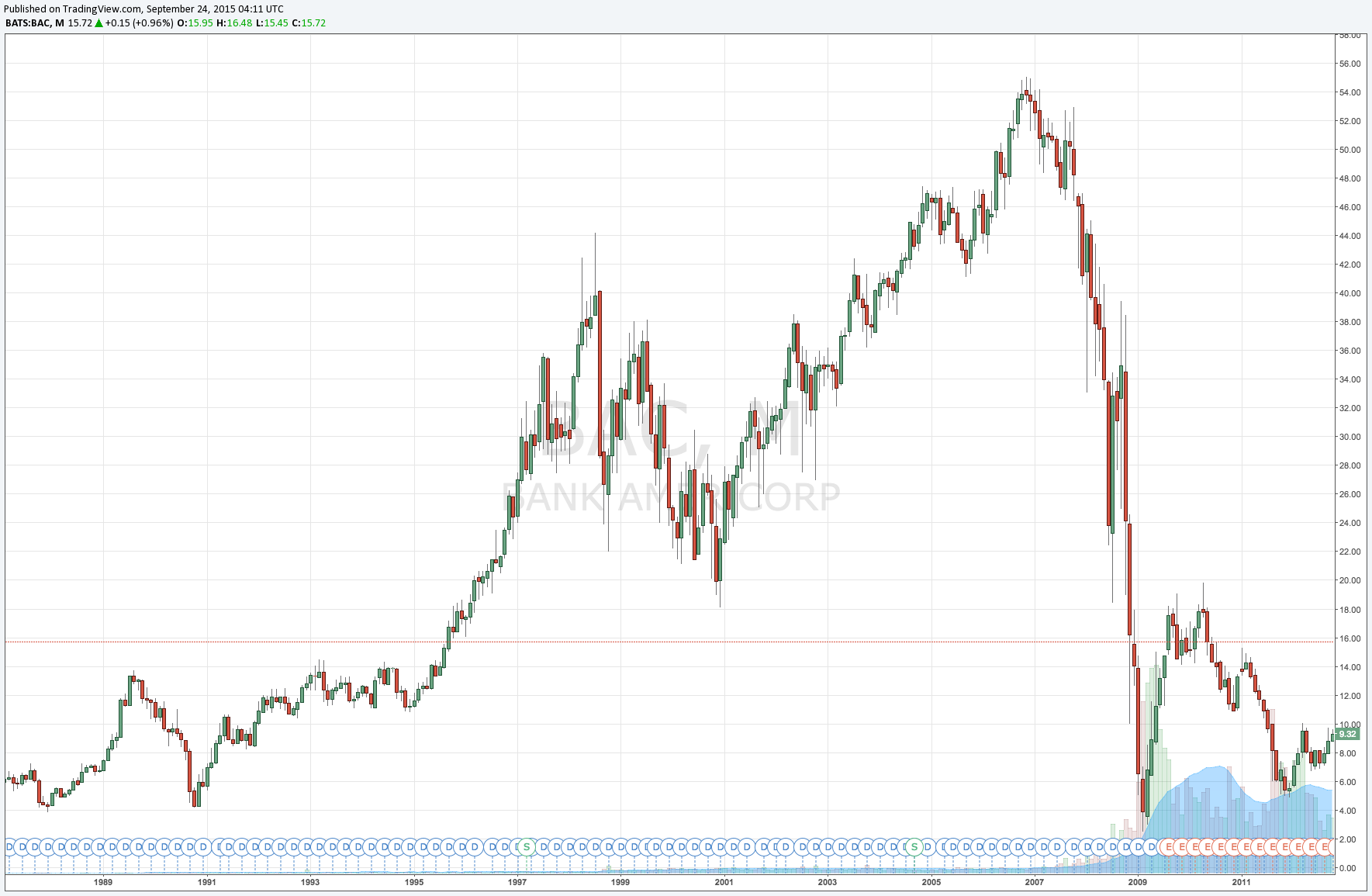
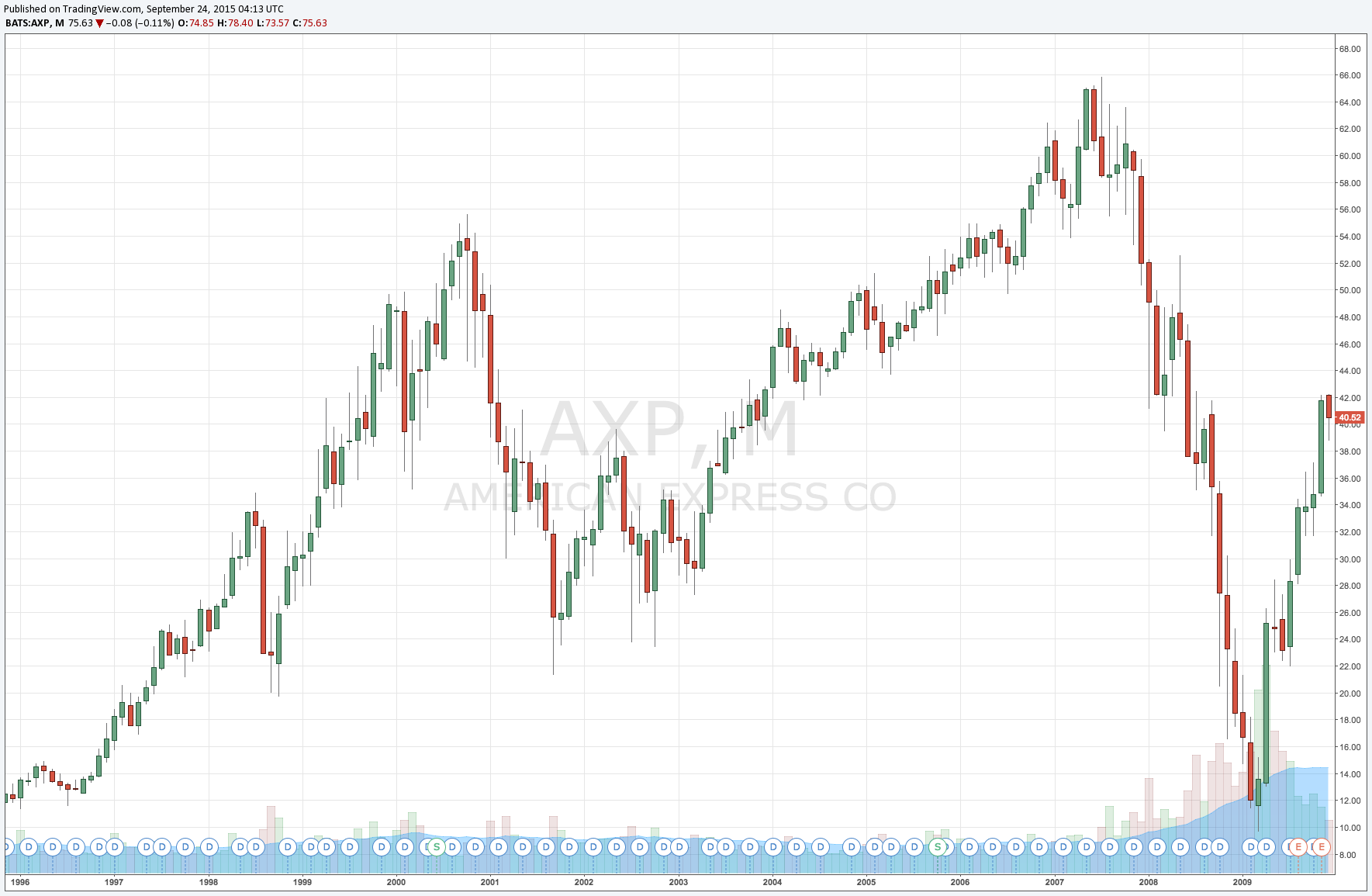
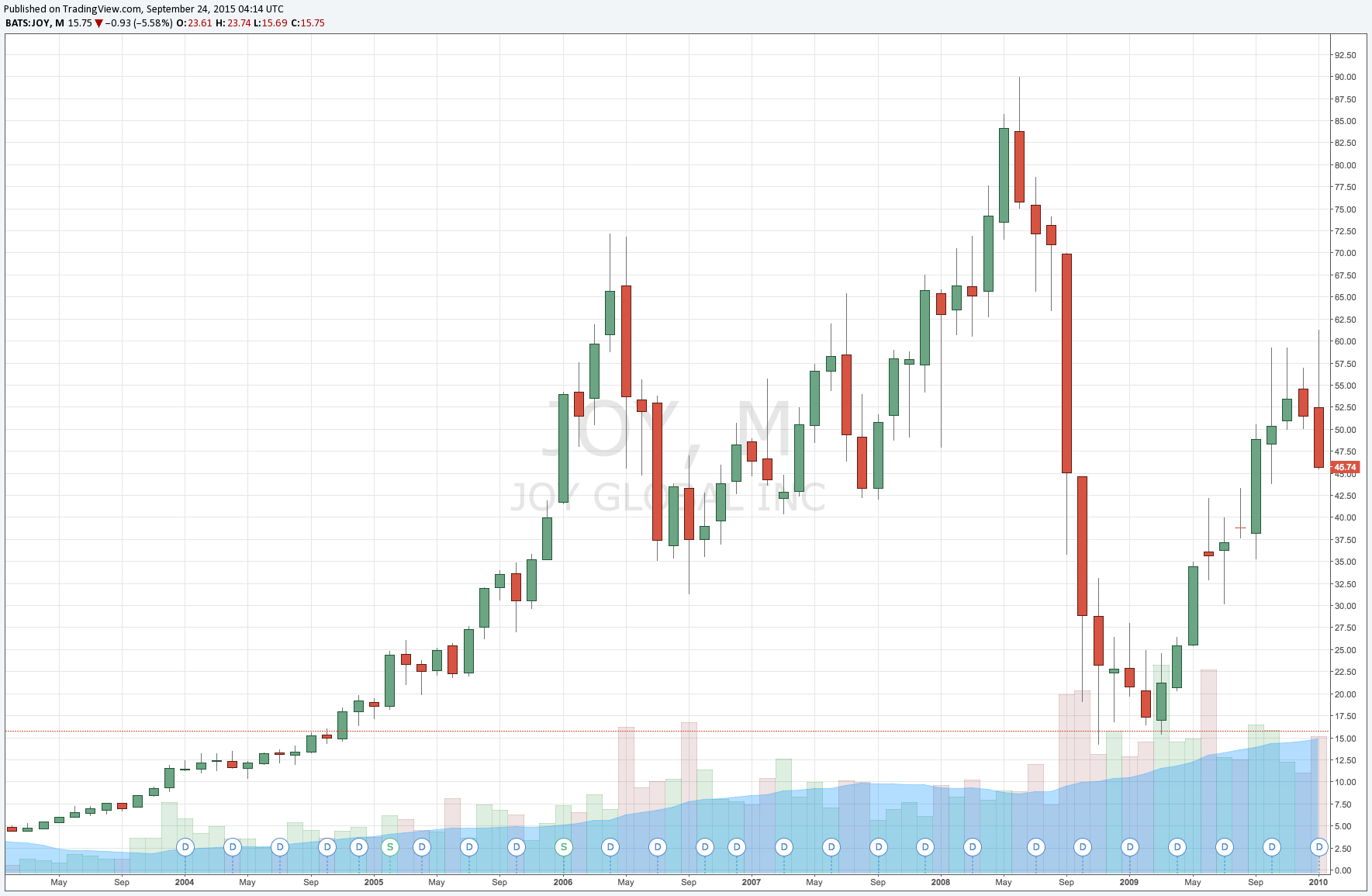
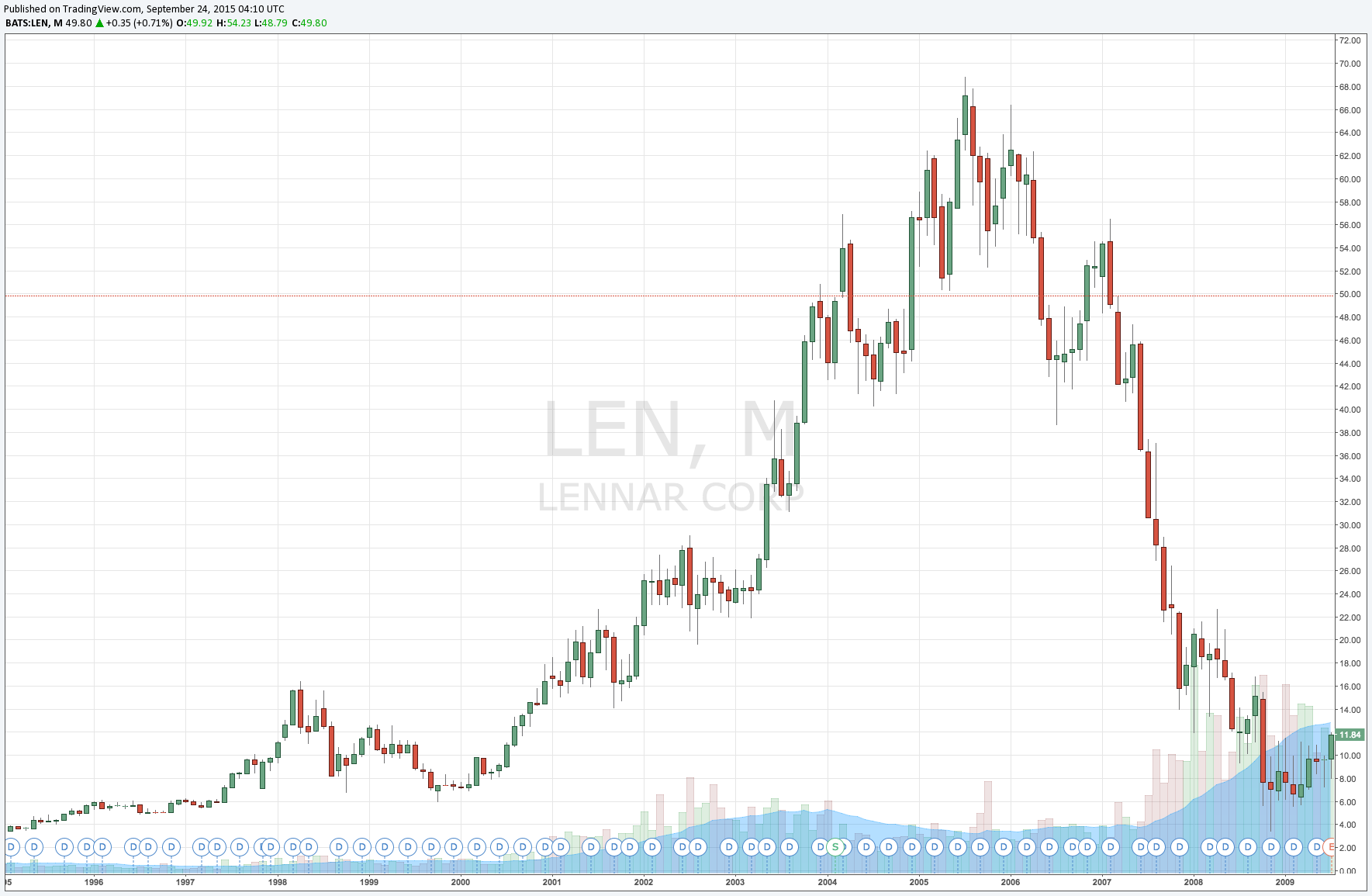
Soon after the dot com bubble dust settled we were in the middle of yet another cataclysmic bubble, the housing bubble. In many cases this was significantly worse than the dot com bubble because it impacted many sectors across the board and scarred many investors for years to come. Some of the stocks that were resilient through the .com collapse (namely banks) were absolutely obliterated after the housing crisis. Unlike tech stocks that were a “new paradigm” the housing market was built on the notion that “everyone needed a home” and that homes and investment property in general functioned as a “store of value” which was infinitely “safer” than the bogus paper of the .com stocks. Just like tech stocks however, these stocks and this sector was overplayed by the greed of the investors and facilitated catastrophe in the end.

Take a look at just how big some of these decays where. 

As you can see, most of these names still have not recovered from that beatdown they suffered


POP


So what did we learn? We learned that typically when markets take off things get vertical pretty quickly and they last for multiple years. We also learned that when they break, they fucking break. The breach of trend is typically at least a 50% correction and that correction is much more violent than the uptrend. If the market leader turns out to be the cause of the bubble, that break is typically significantly more than the 50% correction and usually 80% or more is lost. 

That said, we need to remember our rules. We need to stay disciplined when things break trend and learn to get out when our stops are blown. Even though we don't need anymore reminders, let's conclude by going over the basic flow of a bubble. 

I’d like to end this by simply reminding you that this is not a forecast of doom and gloom to come. This is just an explanation to you that history has a funny way of repeating itself over and over again. Whether it’s tulips, railroads, tech stocks, housing or maybe the future cure for AIDS, investors have always and will always overplay their hands causing the majority to be left with the pain in the process.

With that said, the investment vehicles that are left standing at the end of the day have always, and without exception, fucking lasted through capitulation.

Let the games begin.


Life "Support" - Part 1

Life "Support" - Part 1

Markets can remain irrational longer than you can remain solvent.
— John Maynard Keynes

I'd like for you to read the quote at the top of the page and let it soak in. Take a few moments and read it over and over and out loud if you have to so that you can become a believer in that statement. There is no greater cause for money lost than conviction in the wrong direction. This post goes hand in hand with the first post of this thread "Stick to the Plan." 

The purpose of this post is to reassure you that neither I, nor you, nor your mom, nor your best friend, nor Goldman Sachs, nor the Market Maker, nor Warren Fucking Buffett know where the market will ultimately go. We have our charts, our technical analysis, our valuations, and we play the odds but ultimately that is all we are doing -- playing odds in our favor. 

The stock market's prices are strictly an indication of future value based on speculation. As such, the "game" of speculation is determined based on future favor. Simply put, an equity's price is basically what people are willing to pay for it now  based on where think the company's value will go later. That said, how is a stock's price often determined? Let's address this below. 

People often mistake a company's market cap as the value of the company. That is not only wrong, but it will certainly mislead you into believing a company is good/bad depending on its size. A company's market cap is simply the total dollar value of a company's outstanding number of shares. In layman terms, market cap is the total number of shares a company has x the stock price. 

  • Market Cap Example: Company A has 500 shares available for sale at $2.00/share. Company A's Market Cap is $1000.00.


So what's the point? Why does any of this even f'ng matter? 


The point of this is to remind you that when you're wrong (you being everyone, myself included) you need to admit defeat quickly and get out of your false assessment. Markets move irrationally, and when that irrational behavior takes over against you, it will cost you more than you'd typically imagine. I will highlight this irrational behavior below with several examples, some present and some from previous days. To start, I will highlight the craziest one of them all -- the Tulips. 


TULIP0MANIA


For those of you who don't know, Tulip Mania or Tulipomania was a period during the Dutch Golden Age where in 1593 tulips (yes the flower) was brought over to Holland from Turkey. They started off as a novelty and the flower quickly became sought after and ultimately pricey. Fast forward a bit and the flowers contracted a virus called mosaic that didn't kill the flower, but instead changed them causing "flames" of color to appear on the flower petals. This made the flowers more "rare" and "unique" flowers. This ultimately drove the price of the flowers through the roof. The flowers were subsequently priced based on how their virus alterations were valued, or desired. Seriously, people were putting different prices on the same flower because they thought one was more valuable than the other. Soon after, everyone began "dealing in bulbs" and boom a speculative tulip market was created and believed to have no limits. 

Bulb buyers (the garden centers of the past) soon started to fill up inventories for the growing season. This only limited the supply further and increased the demand and "scarcity" of the tulip.


That's when supply and demand took over and irrational exuberance set in.  


Prices started rising so fast and high that people were selling and trading their land, life savings, and their loved ones (joking here... I think) so they can get their hands on more tulips. 

Now if you think I sound like I'm crazy you're right. I sound like I'm fucking nuts. But sadly I'm not, and I'm not making it up either. That really happened. So how high do you think the cost of a tulip bulb went in the 1600's? 

  • $20?

  • $30?

  • $50?

I wish it stopped there. 

Prices moved nearly 20-fold in a month in an already insanely overpriced market. At it's manic peak, an average bulb could be sold for 160-200 Guilders.  


Put into perspective at today's prices, tulip bulbs (even the bad ones) sold between $48,000 and $64,000.


Tulip prices From November 12 1636-May 1 1637.

The point I'd like for you to take away from this is that markets set themselves. Let your positions run as long as you can afford to, respect your stops, and never think you won't have another opportunity like this again. It takes two sides to make a market and in doing so the market is always binary and always wins. Secondarily, whether it’s tulip bulbs, houses, .com stocks, crypto assets, or any other future novelty that will come; this shit is nothing new. It is all the same. The intrinsic value of whatever asset you hold is determined based on the scarcity of the supply and the perceived value at any given time. With any asset or store of monetary value there is always an inflection point where the risk paradigm skews in favor of releasing the “asset” and returning to “cash.” Cash here is in quotation marks to account for the different permutations of “cash” that have existed and will exist throughout time.

In the next post we'll cover the previous story using other, more practical, examples. 

F.A.N.G. Bites (N)

Comment

F.A.N.G. Bites (N)

It's almost comical how bullish the sentiment still is on days like today where the market is not slip n' sliding to fresh session lows. This especially holds true for the F.A.N.G. stocks where fan boys (and girls) spend excessive amounts of time telling you where the future of the stocks they love will be. For those of you that don't know, F.A.N.G. is a nifty little acronym that Wall St. gave to its four leaders Facebook (FB), Amazon (AMZN), Netflix (NFLX), and Google (GOOG/GOOGL). It rolls right off the tongue and makes it easier to fall in love with the stocks. 

Cool name or not, these stocks are not performing since they topped out as of late. I want to take a look at them individually using multiple time frames starting with Netflix (NFLX). 

Netflix has been the true leader of the group and the market, so I want to start here. Let's first take a look at NFLX's chart for the last two years on a monthly basis. As you'll see, we have a rally for about a year followed by a base for almost a year and finally a resolution to the upside. Once the issue resolved to the upside, the move was quite violent breaking far away from trend. So long as the trend was in tact, the issue continued to climb. 

In mid July however, the issue struggled to make new highs and topped off around the 130 level. The monthly, weekly, and daily charts all signal this top off and a precipitous decline ensued. This decline was accelerated when the trend NFLX built since the start of the year was breached. 

Currently you'll notice that the highs are getting lower and NFLX appears to be descending in a downward channel. Areas of support are noted with the blue horizontal lines. 

NFLX Bullish rally on monthly followed by a reversal. Echoed in the weekly and daily charts. New downtrend illustrated in daily chart.

Comment

Bear Down

Comment

Bear Down

The stock market is designed to fool the brightest of men.
— The Money Game

Bear markets are the hardest types of markets to profit from. More often than not, you do not know you are in a bear market until you've been ripped at the claws of it. On the flip side however, they are also the fastest markets to profit from (if you time them correctly). With that said, it is very important to remain disciplined and respect your stops. 

With the markets set to open down ~1.5% let's take a look at a game plan and how we can possibly profit from it. 

As the market goes up, remember "Leaders lead." And as it goes down, the same will hold true. It is no coincidence that as the IBB started slipping yesterday, so too did the market. If you extrapolate the larger trend on the IBB you'll see that not only are we in a downtrend, but we broke the slight uptrend we'd formed since August 24.


IBB Broke trend started on August 24th on the heaviest volume it's had in months. Looking at a current gap down as well to add to the pain. This is not a BTD (buy the dip) scenario. Here are key levels to look for.


Possible lines of "support" for IBB.

The IBB, like the market, is the sum of it's parts. That said, if you look at the former "leaders" of the IBB you'll see that they've quickly gone sour and turned to laggards. Namely AMGN.


AMGN has quickly gone sour since topping out in July. The issue has been consolidating with a 144-145 support line as of yet. It looks to gap down below that number pre-market. Of all the bios, this one to me is the weakest. 

Aside from the IBB, the former market leaders are now lagging. With any hint of bad news spelling disaster, take a look at how TSLA behaved after topping against 272 yesterday. The issue looks to continue its downtrend today with a gap below 260. Look for 252 to function as support once yesterday's lows are breached.
TSLA failed again at the top of its range. It's also near breaking the rising trend it's set since August 24. Look for it to collapse if it takes out yesterday's lows. 

Comment